



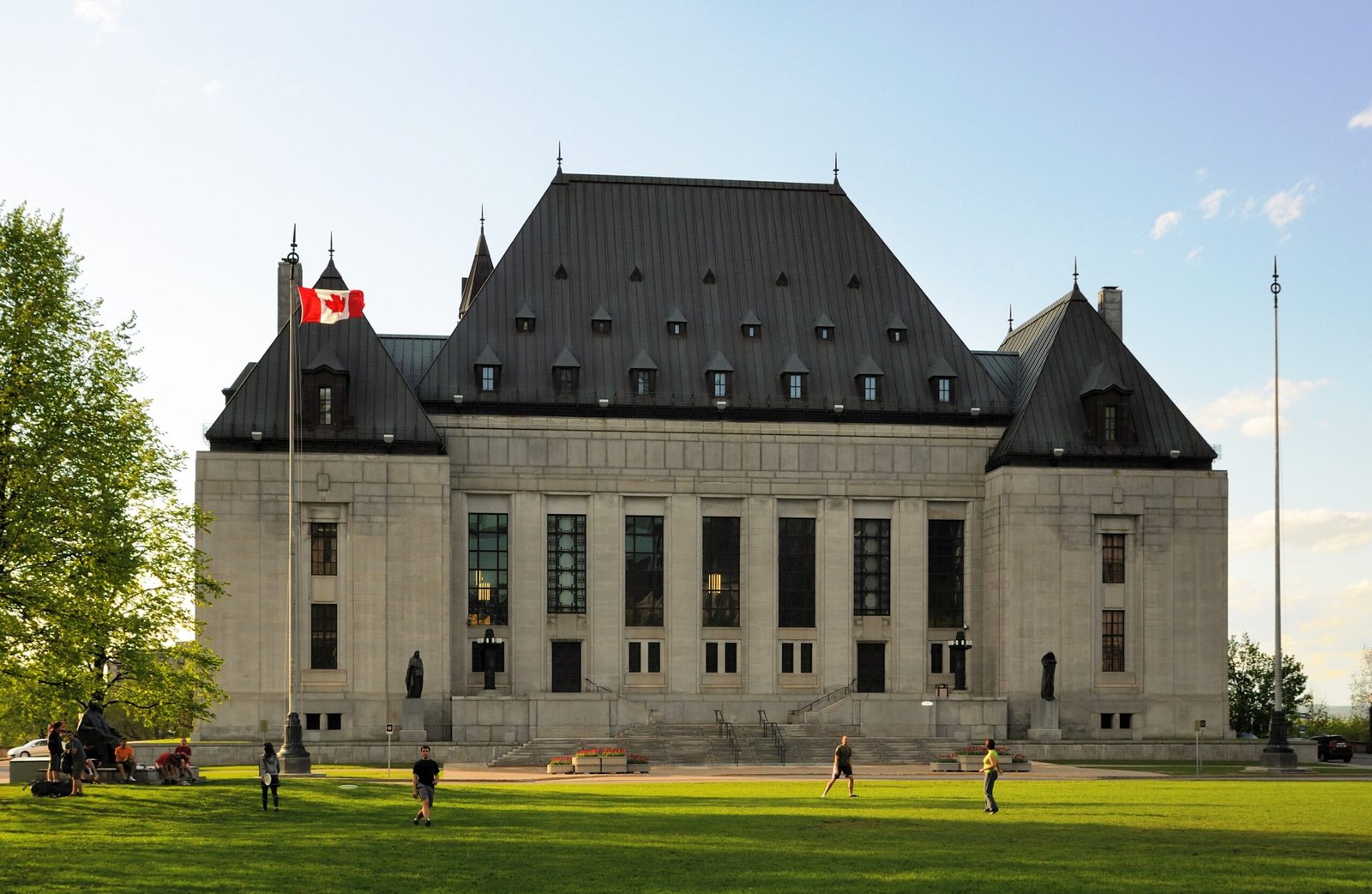
The Supreme Court of Canada ruled that large parts of the federal Impact Assessment Act (IAA) exceed constitutional powers. The decision limits Ottawa’s authority over projects across provinces.
Moreover, critics argued that Ottawa had too much influence over provincial matters. The Chief Justice emphasized that the law’s reach on environmental and social assessments exceeded what the Constitution permits.
Constitutional Portions Remain
However, sections of the law regulating projects on federal lands or outside Canada were upheld. These areas remain under federal jurisdiction, ensuring Ottawa can still assess projects in clearly defined domains.
Provincial Reactions
Several provinces, including Alberta, welcomed the ruling because it restores provincial authority over natural resources.
They argued that the IAA had given the federal government excessive power. Additionally, provincial leaders emphasized that the decision strengthens regional control over major infrastructure projects.
Environmental and Industry Responses
On the other hand, environmental organizations expressed concern that the ruling might weaken oversight of projects with significant ecological risks.
Meanwhile, industry groups praised the decision, noting that it provides clearer rules and more predictable project approvals. They argued that certainty helps investment and planning.
Future of the IAA
Looking ahead, the court clarified that Parliament can draft a new version of the IAA, but it must respect constitutional limits.
Therefore, any future legislation should focus only on projects that fall clearly under federal jurisdiction. The government is expected to revise the act to comply with the court’s decision and prevent further legal challenges.