


What began as a chance to spotlight the Amazon quickly turned into a test of COP’s credibility.
Below is a chronological, critical look at how the event unfolded, the big issues that bubbled up, and why many observers call this COP a public relations win for extractive interests rather than a turning point for climate action.
Announcement and build-up: why Belém?
Brazil pitched Belém to put the Amazon at the heart of global climate talks. Governments praised the symbolism, but logistical warnings followed.
Organizers struggled to find enough hotel rooms and conference space, raising alarm that poor nations might be priced out long before talks began.
Early controversies: costs, hotels and access
In the months before the summit, diplomats and campaigners warned that sky-high hotel prices and limited accommodation could exclude smaller, climate-vulnerable delegations. Some countries considered skipping the event because of the expense.
The problem forced last-minute arrangements, like converting ships and other non-traditional lodging. Critics said this made the summit less inclusive and less fair.
Fossil influence and generator hypocrisy
Campaigners sounded the alarm when analysts revealed an unusually large fossil fuel industry presence at COP30. Reports show thousands of lobbyists from oil, gas and mining firms attending, in some cases outnumbering entire national delegations.
That fact, critics argue, points to corporate capture of climate negotiations. At the same time, visible reliance on diesel generators and heavy fuel use around parts of the site drew sharp rebukes, with campaigners calling the summit’s logistics “hypocritical.”
The protests escalate: people in the streets and inside the gates
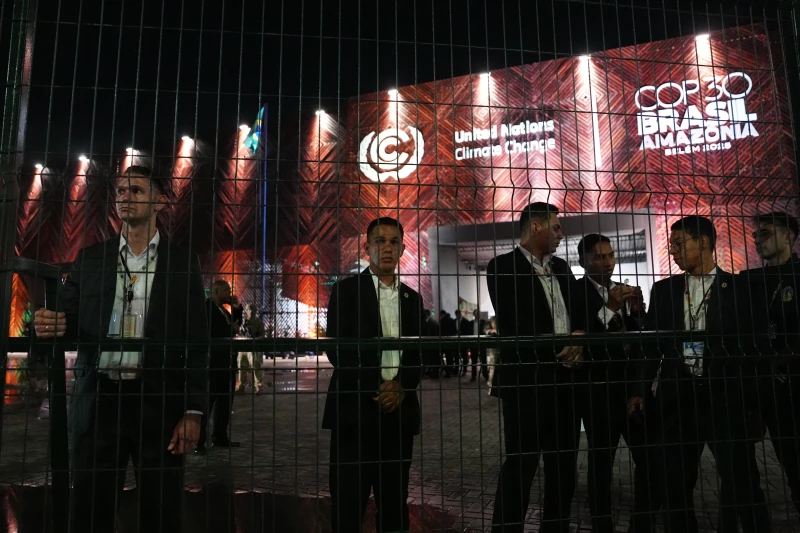
Civil society, youth movements, and Indigenous groups organized sustained actions in Belém. Demonstrations ranged from theatrical stunts — including activists dressed as mascots to shame fossil-fuel financiers — to mass blockades that halted the conference entrance for hours.
On November 11–12, dozens of Indigenous protesters forced their way into parts of the venue, clashing with security and demanding stronger protection for their lands.
Indigenous leaders framed the incursion as desperation born of ongoing invasions, deforestation and violence in the Amazon.
Indigenous demands and the “people’s summit”
Indigenous delegations used their moments inside and outside the site to demand real power, not token consultation. They pressed for binding protections, exclusion zones for fossil fuels and immediate action to stop agribusiness and mining encroachment.
Their actions highlighted a recurring complaint: COP often discusses forests and rights, but rarely gives Indigenous peoples control over outcomes that directly affect their territories.
Diplomatic friction: who came — and who stayed away
High costs, logistical chaos and security concerns reshaped attendance. Some nations sent smaller delegations or downgraded representation. At the same time, fossil fuel-producing states and industry lobbyists pushed back against any formal references to phasing out oil and gas.
Negotiating blocs split over whether to even address fossil fuels within the formal talks. Observers warned that without explicit fossil-fuel phase-out language, the summit risked producing more promises than policies.
Promises, pledges and the limits of political will
A cluster of non-binding pledges and “roadmaps” circulated on the sidelines — including proposals to scale up certain alternative fuels and to create transition partnerships.
Yet oil and gas producers resisted concrete phase-out dates, and other countries questioned whether pledges outside the formal text would matter. Campaigners and analysts noted a patchwork of ambitions, rather than a single, binding plan.
Media and civil society: exposing contradictions
Journalists and watchdogs documented multiple contradictions: a summit billed as protecting tropical forests while hosting the largest relative share of fossil lobbyists; a climate event running on fossil-fuel generators; and a cost structure that sidelined vulnerable nations.
Together, these stories fed a wider narrative: COP has become a stage where wealthy interests and fossil incumbents can dilute ambition.
Where this leaves COP credibility
By mid-summit, the outlook looked mixed. Brazil’s hosting raised the Amazon’s profile, but the event’s substance risked being overshadowed by process failures and apparent corporate influence.
Indigenous incursions and civil disobedience underscored the depth of local frustration. Meanwhile, the mechanics of exclusion — from costs to lobby access — highlighted structural problems in how COP operates.
Bottom line — a checklist of what needs fixing
- Cut the corporate capture: reduce fossil lobby access and increase transparency around industry participation.
- Tackle logistics fairly: ensure hotels, visas and travel subsidies do not price out vulnerable countries.
- End operational hypocrisy: run COP on low-carbon power and avoid heavy diesel dependence.
- Center Indigenous rights: give affected communities real decision-making power and rapid mechanisms to stop invasions.
- Make fossil phase-out negotiable: put oil and gas squarely on the formal agenda, with binding commitments where possible.