


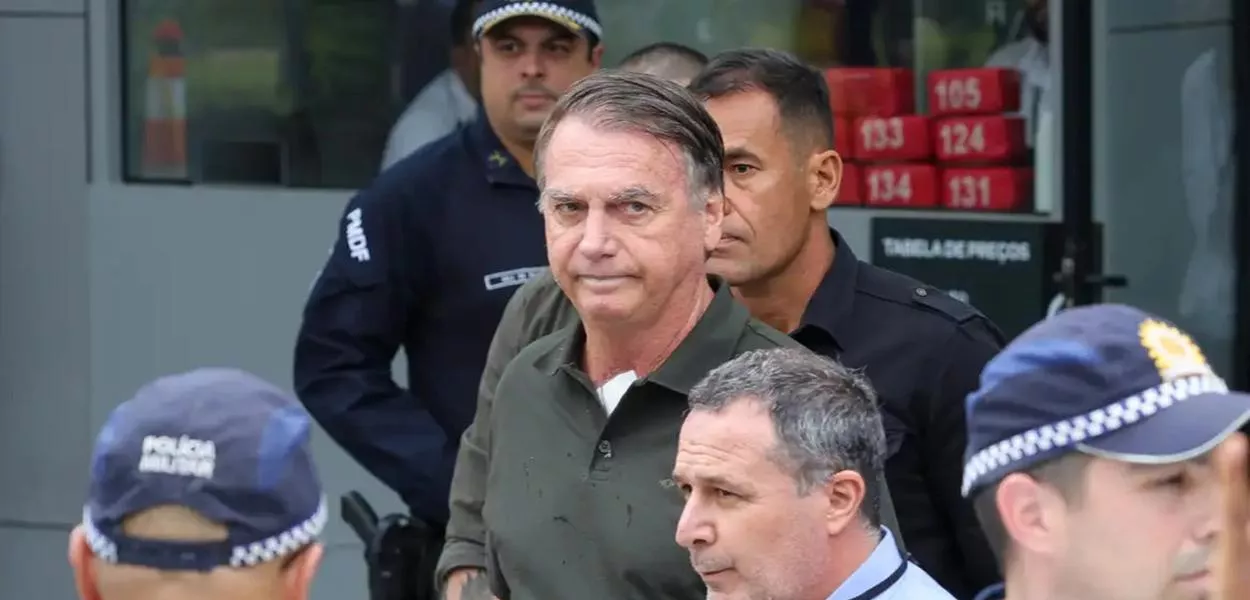
Former Brazilian President Jair Bolsonaro now faces prison after a landmark Supreme Court ruling that sentenced him to 27 years and three months.
The decision follows his conviction on several charges linked to an alleged plot to overturn the government after his 2022 defeat.
The court said he led a criminal organization and planned to violently dismantle democratic institutions. Moreover, it accused him and his allies of preparing a coup to remove President Luiz Inácio Lula da Silva from power.
Charges and Conviction
Bolsonaro faced five major charges: attempting a coup after his 2022 loss, leading an armed criminal group, trying to subvert Brazil’s democratic rule, damaging government property, and targeting protected assets.
Justice Alexandre de Moraes said Bolsonaro’s actions threatened the “essential pillars of the democratic rule-of-law.”
Evidence and Motivations Behind the Coup Attempt
Prosecutors presented detailed evidence that included meetings with military officials, internal documents, and digital files that outlined a conspiracy.
One especially serious accusation described a plot called “Green and Yellow Dagger,” which allegedly involved poisoning Lula, killing a Supreme Court justice, and spreading political chaos.
Authorities also said Bolsonaro knew, discussed, and helped direct these plans from 2021 to 2023.
Legal Process and Arrest
The Supreme Court first ordered him to stand trial.
Later, Justice Moraes placed him under house arrest for violating restrictions, including misusing social media and tampering with his ankle monitor.
In November 2025, his pretrial detention increased after authorities claimed he interfered with his ankle tag, raising fears he might flee.
Defense and Political Fallout
Bolsonaro and his lawyers strongly deny every accusation.
His defense argues he never executed any coup attempt and insists planning alone does not prove criminal action.
They also claim the case is political persecution aimed at destroying his career.
Implications for Brazil’s Democracy
The conviction marks an important moment in Brazil’s political history. Critics argue the case shows the fragility of democratic institutions when they face authoritarian threats. Supporters of the ruling say it sends a clear message that no leader stands above the law.
Still, Bolsonaro’s base remains loud and divided. The case continues to polarize the country, and many of his supporters insist he was unfairly targeted.