


Poland entered a new political phase after banning its Communist Party and restricting communist symbols. The government argues that the ideology contradicts democratic values.
Court Outlaws the Communist Party of Poland
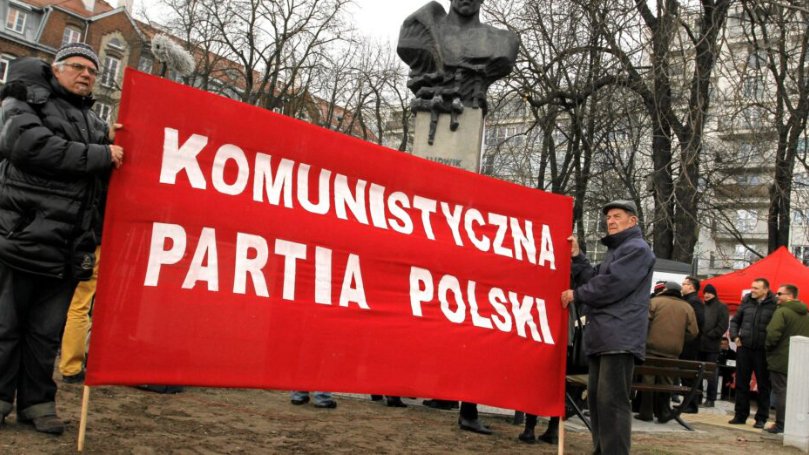
In December 2025, Poland’s Constitutional Tribunal declared the Communist Party of Poland (KPP) unconstitutional. Judges stated that the party promoted ideas tied to totalitarian rule.
They also stressed that the ideology glorified regimes responsible for mass atrocities, including crimes committed against Poles.
The ruling immediately dissolved the party. Although the KPP held no seats and had a small membership base, the decision carried strong symbolic weight. It also reinforced the country’s long effort to cut ties with its communist past.
Earlier Laws Already Targeted Communist Symbols
Poland’s move did not appear suddenly. In 2023, the country passed a law criminalizing the promotion, possession, or public display of communist symbols. The penalty can reach three years in prison.
The law also covers digital materials, posters, clothing, and online content. Because of this broad wording, several legal experts raised concerns. They argued that vague definitions may lead to inconsistent enforcement.
Nevertheless, supporters claim that strong measures remain essential to prevent the normalization of totalitarian ideas.
Cities Remove Monuments and Rename Streets
After the 2023 law passed, many towns began removing monuments tied to the Soviet era. Authorities also received orders to rename streets, squares, and public buildings linked to communist history.
For example, local governments removed monuments honoring “Polish-Soviet brotherhood in arms.” Many municipalities expect to update hundreds of street names to comply with the new rules.
Why Poland Acts So Strongly Against Communism
Poland’s harsh stance comes from decades of historical trauma. The nation endured Soviet control, political repression, and severe human-rights violations during the communist regime.
Because of that past, many officials argue that banning communist symbols protects national memory. They also believe the measures safeguard democracy by rejecting totalitarian ideology.
Ongoing Debate About Free Expression
Despite strong public support, the new policies continue to spark debate. Critics argue that banning symbols may restrict artistic, historical, or academic expression. They also fear political misuse, since the law does not clearly define forbidden imagery.
Still, defenders believe the law reflects necessary moral clarity. They claim that no democracy should tolerate symbols linked to oppression, genocide, and political violence.
Poland has taken decisive action to eliminate public traces of communism. The ban on the Communist Party and the restrictions on symbols show a clear break with its past.
However, the tension between historical protection and free expression will likely shape the national conversation for years. If enforcement remains strict, the country may face new social and legal challenges as it continues redefining its relationship with history.