


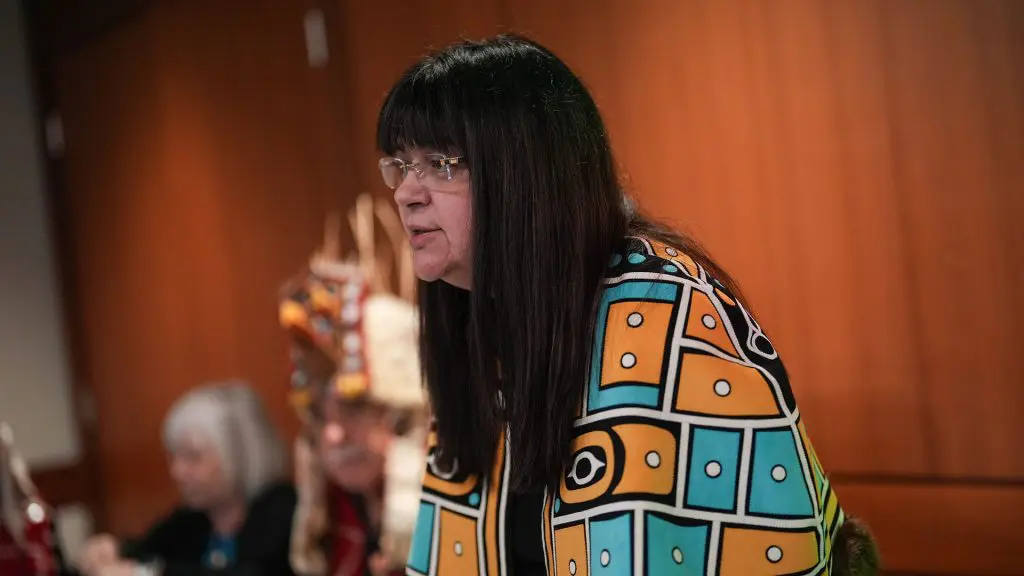
Coastal First Nations declared days ago that any plan to build an oil pipeline from Alberta to BC’s North Coast will be rejected. They also rejected lifting the tanker ban under Bill C-48.
United Rejection from Many Nations
The Coastal First Nations represent nearly a dozen First Nations along central and northern BC, including Heiltsuk and Haida territories.
Their president, Marilyn Slett, emphasized that these communities hold inherent and constitutional rights to their lands. She warned that any deal ignoring those rights is unacceptable.
“We will never allow oil tankers on our coast,” Slett said. “This pipeline project will never happen.”
They stressed that the existing tanker ban, enshrined in law under the Oil Tanker Moratorium Act, remains non-negotiable.
What’s at Stake: Environment, Culture, and Livelihoods
For First Nations, the coast is more than land and water. It embodies culture, heritage, and traditional ways of life.
They warned that a pipeline and tanker traffic could threaten ecosystems, fisheries, and community livelihoods. Moreover, they argued that potential economic benefits cannot outweigh long-term environmental and social damage.
Political and Legal Pressure
The Coastal First Nations’ firm stance comes as the federal government and Alberta explored a memorandum of understanding (MOU) for the pipeline.
However, BC’s leaders, including Premier David Eby, and Indigenous communities insist no project can proceed without First Nations’ free, prior, and informed consent.
Today, the Liberal Party voted against the pipeline, reinforcing the political challenges for the project.
The Coastal First Nations also promised to use “every tool in our toolbox”—legal, political, and social—to stop the pipeline and tanker traffic.
What This Means for the Future
With the coalition’s united opposition and the Liberal vote, the pipeline plan faces serious hurdles. Even if the MOU progresses, lack of Indigenous support and political resistance poses major challenges.
In a time when climate change and Indigenous rights increasingly shape policy, Coastal First Nations’ stand could influence this project and future resource proposals.