


The declaration comes in direct response to Canada’s earlier 2024 decision to list Iran’s Islamic Revolutionary Guard Corps (IRGC) as a terrorist entity.
What Iran’s Designation Entails
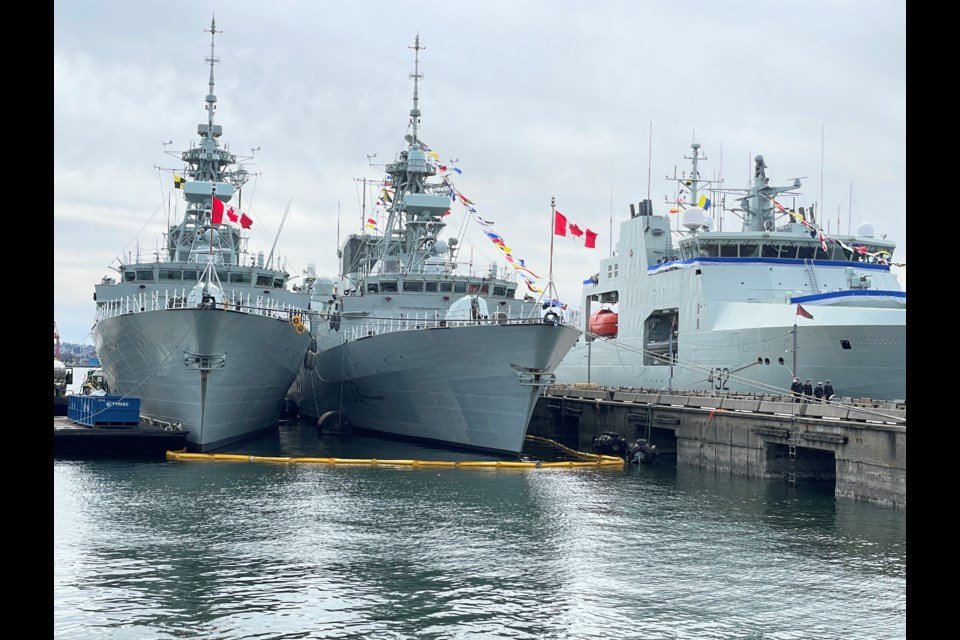
Iran’s Foreign Ministry announced on December 30, 2025 that it now considers the Royal Canadian Navy to fall under its domestic anti-terrorism law, passed in 2019.
The legislation allows Tehran to apply reciprocal measures against countries that adopt foreign designations of the IRGC.
The Iranian statement labeled Ottawa’s decision to blacklist the IRGC as “illegal” and in violation of international law.
Tehran argued that the IRGC is formally part of the Iranian armed forces, not an independent terrorist group. In response, Iran said it was extending the 2019 statute to include Canada’s navy.
The announcement did not specify practical actions Iran intends to take against the Royal Canadian Navy or its personnel.
Rather, the designation appears to be symbolic, rooted chiefly in Article 7 of the 2019 law outlining reciprocal measures.
Historical Context of Canada–Iran Tensions
Iran and Canada have a history of diplomatic tension spanning more than a decade. Canada severed diplomatic relations with Tehran in 2012, citing Iran’s nuclear activities, alleged support for regional conflicts, and threats to Western interests. Canada’s embassy in Tehran remains closed.
Relations deteriorated further on June 19, 2024, when Canada added the IRGC to its list of terrorist entities under the Criminal Code.
That move was part of Canada’s broader effort to sanction actors it viewed as engaged in terrorism or human-rights abuses. Ottawa’s designation of the IRGC followed similar actions by the U.S. and other Western countries.
Iran consistently condemned Canada’s IRGC listing, with officials calling it a political act unsupported by international law.
Tehran’s complaints extended to diplomatic protests, including summoning the representative of Canada’s interests through third-party embassies.
Iran’s Legal Basis: The 2019 Reciprocity Law
The legal justification Iran cited is a 2019 law known as the Reciprocal Action Against the Designation of the Islamic Revolution Guard Corps as a Terrorist Organization by the United States. Under Article 7, any state that supports or follows U.S. decisions regarding the IRGC may be subject to countermeasures.
Tehran’s interpretation now includes Canada’s actions, even though Ottawa’s designation occurred outside of direct U.S. policy.
Iranian officials argue that the global alignment with U.S. policy toward the IRGC makes Canada eligible for reciprocal actions, including the new designation of the Royal Canadian Navy.
Reactions From Ottawa and Western Capitals
At the time of writing, the Canadian government has not publicly announced specific diplomatic reactions to Iran’s designation. Historically, Ottawa has maintained that its terrorism listings reflect evidence-based assessments designed to protect Canadian security interests.
Western allies, particularly the U.S., have previously opposed similar Iranian claims, emphasizing that the IRGC’s activities extend beyond conventional military roles into proxy and militant networks across the Middle East. Those allies have warned that Tehran uses such laws to shield its own actions and retaliate politically.
Why the Canadian Public Should Care
This designation, while largely symbolic, has broader implications for Canada’s foreign policy.
- Security and Defense Posture: Although the Royal Canadian Navy does not currently operate against Iran, Canadian military personnel serve in global missions. The designation might complicate future operational planning or port visits in regions where Iranian influence is strong.
- Diplomatic Relations: The decision underscores deep diplomatic rifts that may affect consular services, travel advisories, and bilateral talks. Canadians with ties to Iran may face increased stress or uncertainty.
- International Law and Precedent: The move challenges norms around how states label one another’s armed services. Foreign policy experts warn that such reciprocal designations may erode established conventions governing diplomatic discourse and military relations.
What This Means for Canada’s Strategic Position
Iran’s designation highlights Canada’s evolving role in global security politics. Ottawa’s 2024 listing of the IRGC aligned Canada more closely with U.S. and European stances on Iran’s military activities, particularly concerning human-rights allegations and regional security challenges.
However, such alignment also carries risks. Reciprocal actions like this broaden the scope of diplomatic friction and complicate efforts to manage global crises through multilateral fora.
Canada will need to balance its security priorities with efforts to prevent further deterioration of relations with Iran.
Possible Future Developments
While Iran’s designation is unlikely to have direct legal effect in Canada, it could influence how Ottawa approaches negotiations on other issues involving Iran, such as nuclear talks or regional security dialogues.
It may also affect Canada’s participation in international coalitions that engage Iran directly or indirectly.
Security analysts say observers should watch for additional reciprocal measures by Iran, such as sanctions targeting Canadian businesses or individuals.
Canada’s future response could involve formal diplomatic protests, sanctions, or coordinated action with NATO partners.