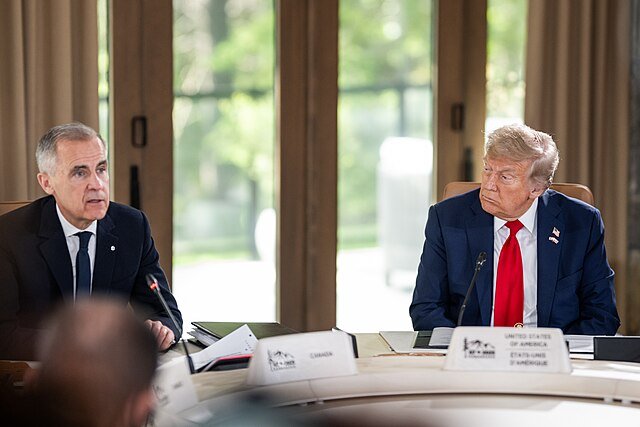



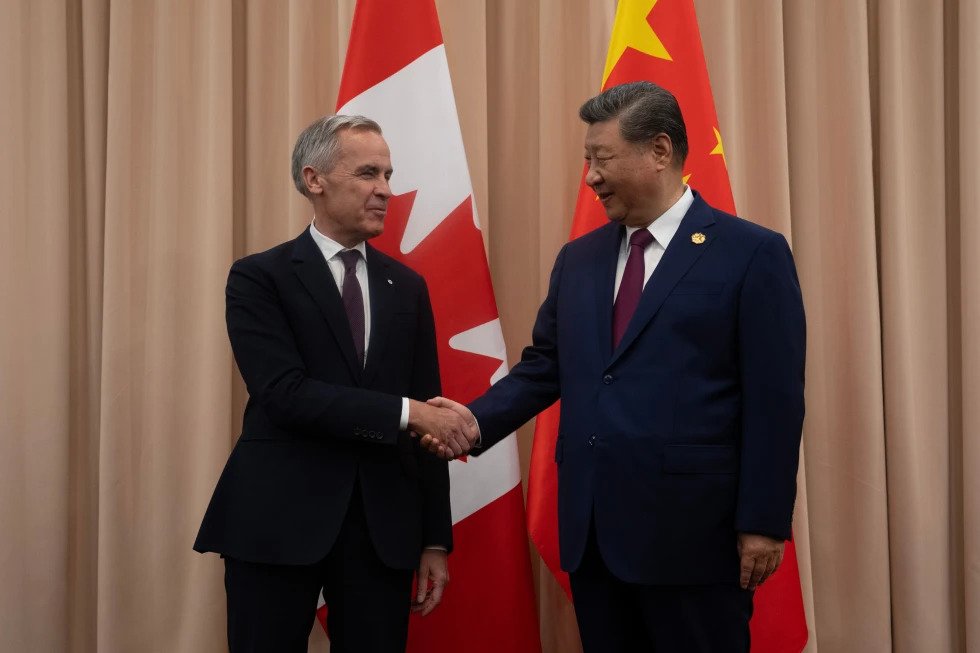
Prime Minister Mark Carney is set to visit China next week, signalling a notable shift in Canada’s foreign policy direction.
Prime Minister Mark Carney’s planned visit comes during heightened economic and diplomatic pressure on traditional alliances. As a result, the government appears to be exploring broader engagement with major global powers.
A Strategic Visit at a Sensitive Moment
The upcoming China visit follows months of strained global trade relations and geopolitical realignment.
Many middle powers are seeking flexibility as great power competition intensifies.
Canada has historically balanced close ties with Washington and cautious engagement with Beijing.
However, recent global disruptions have exposed vulnerabilities in that approach.
Supply chain shocks, trade disputes, and security tensions have forced governments to rethink dependencies.
Consequently, Ottawa is reviewing how it protects economic and diplomatic interests.
Officials have framed the trip as pragmatic rather than ideological. They emphasize dialogue, risk management, and national interest.
Canada’s Relationship With China in Recent Years
Canada’s relationship with China has been tense for much of the past decade. Disputes over trade, diplomacy, and security eroded trust on both sides.
The detention of Canadian citizens in China deeply affected public opinion. Meanwhile, concerns over foreign interference increased political scrutiny.
Despite tensions, China remains one of Canada’s largest trading partners. Bilateral trade volumes have stayed significant, especially in agriculture and resources.
Canadian exporters continue to depend on Chinese demand for key commodities. At the same time, policymakers worry about overexposure to political risk. Therefore, engagement has never fully stopped. Instead, it shifted toward guarded and selective cooperation.
Why Ottawa Is Reassessing Its Dependence on the United States
The United States remains Canada’s closest ally and trading partner. Yet recent years exposed the risks of overreliance on a single market. Trade disruptions and policy unpredictability affected Canadian industries.
Even friendly administrations prioritized domestic interests.
Moreover, U.S. foreign policy increasingly reflects strategic competition with China. That rivalry limits diplomatic space for allied countries. Canada often faces pressure to align quickly with Washington’s positions. Such alignment can reduce Ottawa’s policy flexibility.
By expanding engagement elsewhere, Canada seeks greater strategic autonomy. This approach aims to protect national interests without abandoning alliances.
What Prime Minister Mark Carney Hopes to Achieve
Prime Minister Mark Carney is expected to focus on economic stability and risk reduction. Trade diversification likely sits high on the agenda.
Canadian officials want clearer market access rules and predictable trade conditions. Agriculture and energy exports remain critical priorities.
The visit may also address climate cooperation and financial stability. China plays a central role in global emissions and investment flows.
Additionally, Ottawa may raise concerns about consular issues and rule-based engagement. Such discussions often happen behind closed doors. The government has signalled realism rather than optimism. Officials stress engagement does not equal endorsement.
The Broader Global Context Driving the Shift
Globally, countries are adjusting to a more fragmented international system. Traditional multilateral frameworks face growing strain. Economic nationalism and security-driven policies now shape trade decisions. As a result, smaller economies must diversify partnerships.
China continues expanding influence through trade and investment. Ignoring that reality carries economic costs. At the same time, engagement requires safeguards against coercion. Therefore, governments pursue selective cooperation.
Canada’s move reflects this global recalibration. It mirrors actions taken by other advanced economies.
Domestic Political Considerations in Canada
The China visit also carries domestic political implications. Public opinion remains cautious and often skeptical. Opposition parties frequently criticize engagement with Beijing. They cite human rights and national security concerns.
The government must balance economic needs with public trust. Clear communication will be essential. Prime Minister Mark Carney faces pressure to show tangible benefits. Voters expect results without compromising values.
Parliamentary scrutiny is likely after the visit. Policy transparency will matter.
Why This Matters to Canadians
For Canadians, foreign policy decisions directly affect jobs and prices. Trade diversification can support economic stability. Many Canadian sectors rely on export markets. Reduced access can hurt workers and communities.
At the same time, national security remains a top concern. Canadians expect firm safeguards.
The China visit highlights how global shifts shape daily life. Energy prices, food costs, and employment connect to diplomacy. Understanding these moves helps citizens assess government priorities. Informed debate strengthens democratic accountability.
Risks and Limits of a China Pivot
Engagement with China carries clear risks. Political disagreements can escalate quickly. Market access may remain conditional and uncertain. Past experience informs cautious expectations.
Moreover, closer ties with China can strain relations with allies. Diplomatic balance requires careful management. Ottawa insists the visit does not signal a full pivot. Instead, it reflects diversification.
Success depends on concrete outcomes and transparency. Without results, criticism will intensify.
What Comes Next After the Visit
Following the trip, Canada will assess outcomes carefully. Officials will review agreements and commitments. Any follow-up actions will face parliamentary and public review. Long-term policy shifts require consensus.
The visit may set a precedent for future engagement. However, sustained change depends on global conditions. For now, the move signals strategic adaptation. Canada is navigating a complex world.