


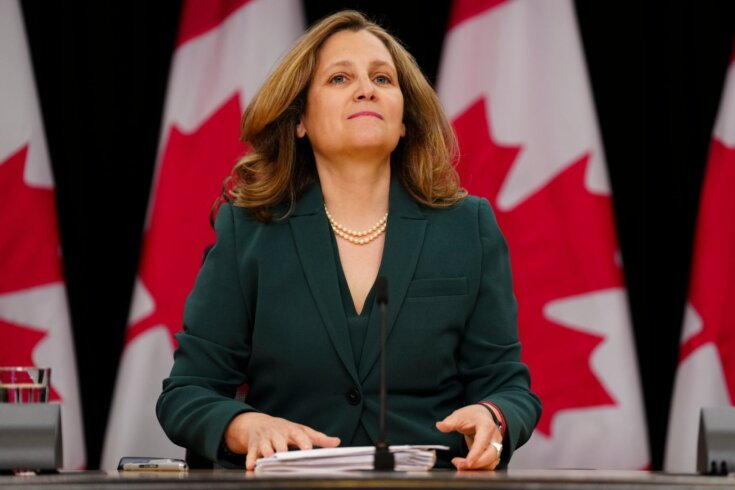
Chrystia Freeland’s resignation has generated significant discussion within Ottawa and among Canada’s diplomatic circles. The decision of Chrystia Freeland follows a move into an unpaid advisory role with the Ukrainian government and reflects broader shifts in both her personal career and Canada’s political landscape.
Long Career Comes to a Close After Decade in Office
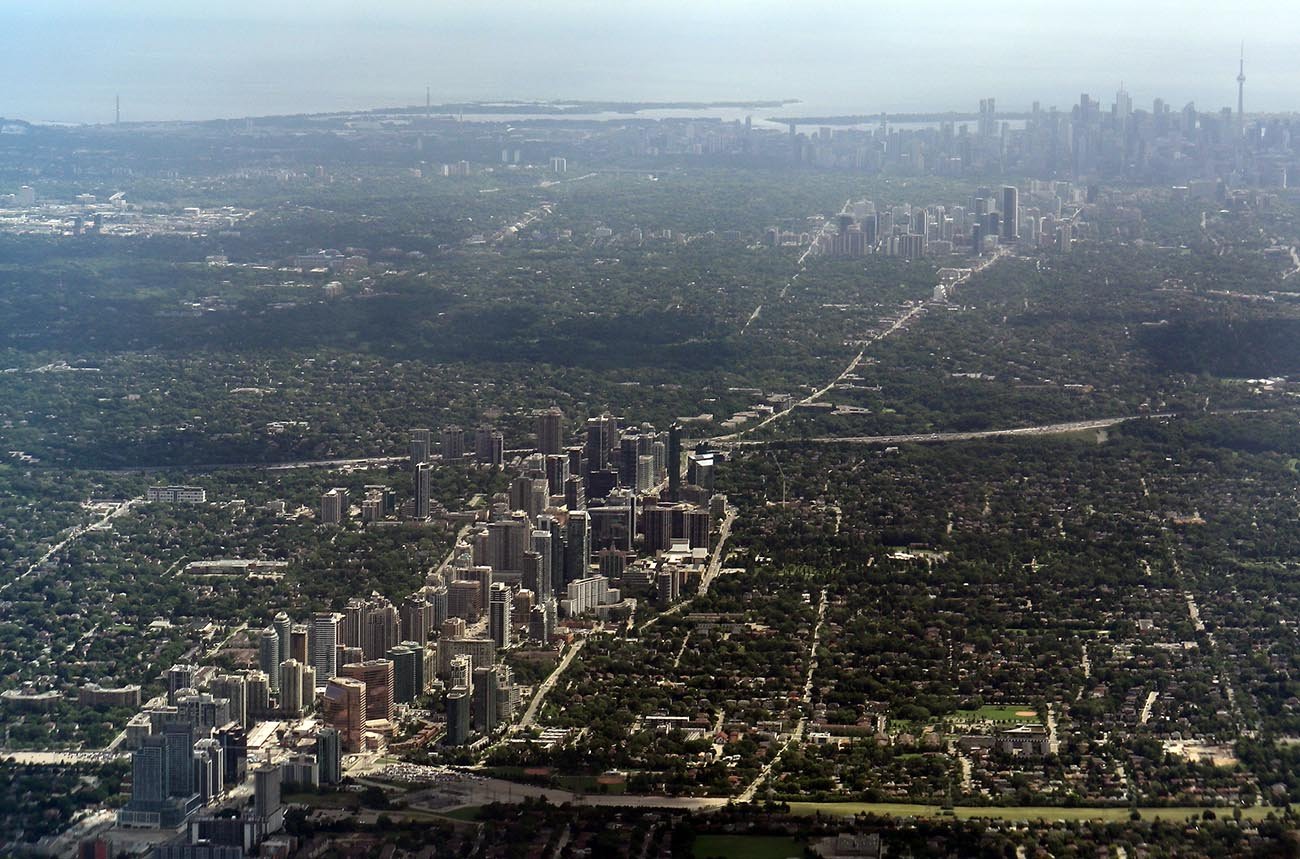
She was first elected to the House of Commons in 2013. Freeland represented Toronto’s University-Rosedale riding since 2015 and previously represented Toronto Centre.
Chrystia Freeland held some of the most senior positions in successive Liberal governments. The tenure of Freeland included roles as deputy prime minister, foreign minister, and Canada’s first female finance minister.
Her influence extended across major economic and diplomatic initiatives, from trade negotiations to global economic forums. Her high profile made her one of the most recognizable figures in modern Canadian politics.
Resignation Linked to New Role with Ukraine
Freeland’s exit from Parliament is directly tied to her new appointment by Ukrainian President Volodymyr Zelenskyy. He named her as an unpaid economic adviser aimed at supporting Ukraine’s economic resilience amid ongoing conflict.
She had previously served as Canada’s special representative for the reconstruction of Ukraine. That role was more directly tied to Canada’s foreign policy engagement and involved coordination with Ottawa.
In her farewell statement, Freeland said she would continue supporting Ukraine and Canada in meaningful ways outside Parliament. She framed the shift as a continuation of her lifelong commitment to democratic values and international cooperation.
Ethics and Timing Debates Among Opposition MPs
Freeland’s decision to accept a role tied to another government sparked debate. Opposition MPs argued she should have resigned her seat before taking on the Ukrainian advisory appointment.
Conservative critics suggested that holding dual responsibilities — even briefly — could raise questions about prioritizing Canadian interests. They contended that advising a foreign government while still an MP blurred ethical boundaries.
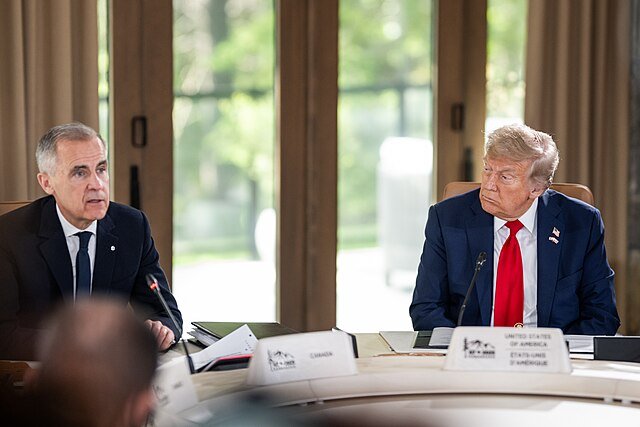
Liberal leadership and government officials, including Prime Minister Mark Carney, stressed that Freeland consulted with the federal ethics commissioner and followed appropriate guidance. Carney supported the timing and framing of her resignation as compatible with her new role.
Impact on Parliamentary Balance
Freeland’s departure has immediate effects on the composition of the House of Commons. Her resignation reduces the Liberal government’s seat count, complicating its minority position.
Carney has up to 180 days to call a byelection in University-Rosedale to fill the vacant seat, though an early contest is expected. The outcome of that byelection could influence the parliamentary balance, especially with a minority government.
Her departure comes at a politically sensitive time, with the Liberals historically pursuing a stronger presence in the chamber. Losing a high-profile MP has strategic implications for legislative confidence and coalition support.
Broader Career Transitions Beyond Politics
Freeland is also poised to take on leadership of the Rhodes Trust, a prestigious educational charity based in Oxford, England, beginning July 1, 2026.
The Rhodes Trust administers one of the world’s most renowned scholarship programs, and her appointment there marks a shift toward global educational engagement.
This next chapter further distances her from direct Canadian electoral politics while expanding her influence internationally.
Her diverse portfolio — spanning journalism, government leadership, and international advisory work — underscores her broad professional footprint.
Reactions from Canadian and Diaspora Communities
Freeland’s resignation elicited statements of gratitude from community groups. The Ukrainian Canadian Congress, for example, thanked her for her steadfast advocacy for Ukraine and democratic freedoms.
Her leadership in rallying international support for Ukraine during Russia’s invasion was highlighted as a defining aspect of her public service. Many praised her efforts to leverage global diplomatic and economic channels on behalf of democratic allies.
At the same time, her departure sparked questions among political commentators about the future direction of Canada’s foreign policy and engagement with global partners.
Observers note that her successor’s approach could shape Ottawa’s stance on reconstruction and international support efforts.
What Freeland’s Exit Means for Canadians
Freeland’s resignation matters because it shifts the political landscape in Ottawa. Her departure may affect legislative priorities and how the government negotiates support on key bills.
Losing a senior figure — once seen as a potential future leader — alters internal dynamics within the Liberal Party. It also affects Canada’s representation in international economic discussions where she played a visible role.
The upcoming byelection will test local and national support for Liberal policies and could influence minority government stability. For federal politics, the result may influence how parties strategize ahead of the next general election.
Her move to an advisory capacity abroad underscores the intersection of Canadian politics with global geopolitics. This link highlights how domestic careers can shape, and be shaped by, international commitments.