

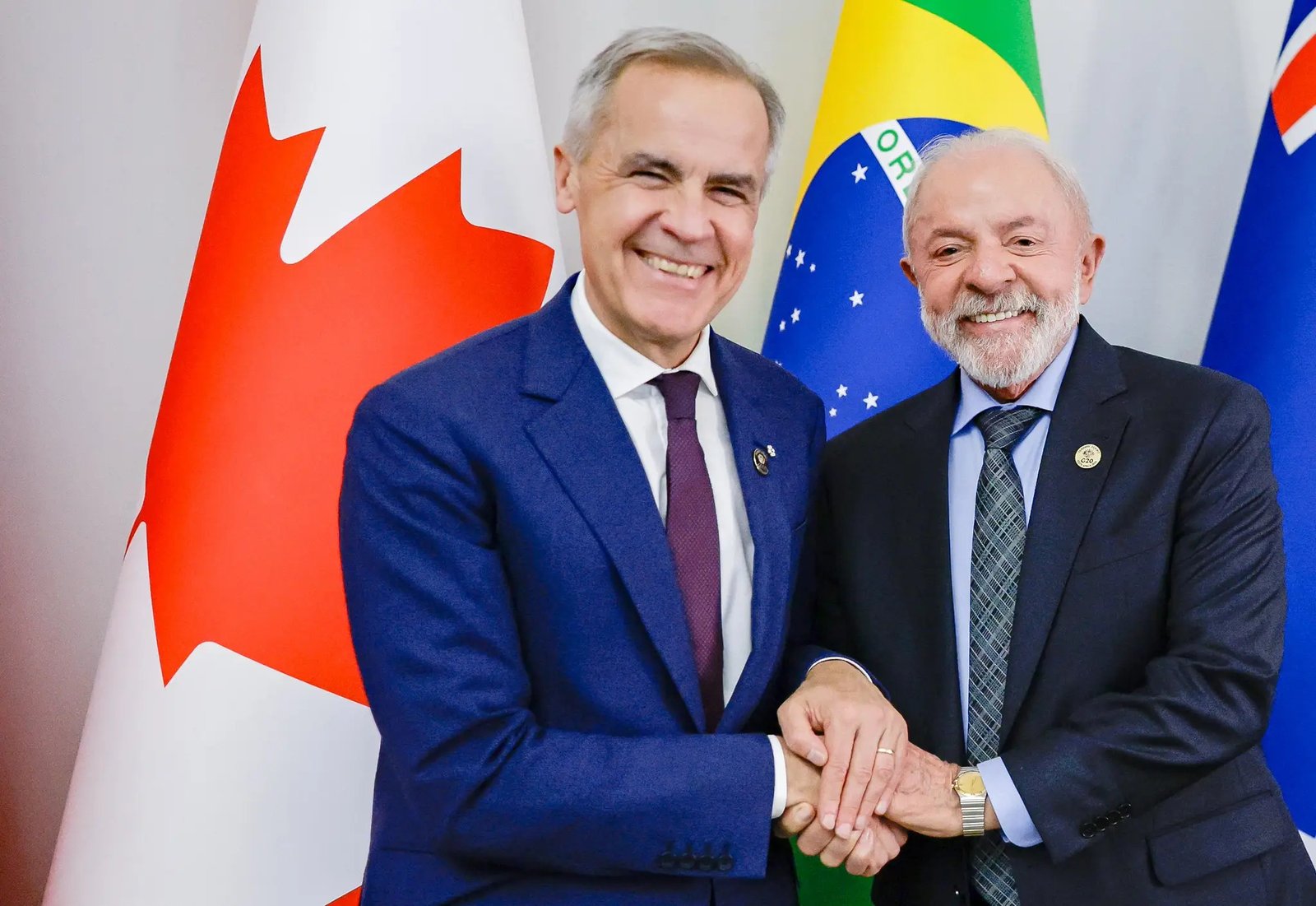
Canadian Prime Minister Mark Carney and Brazilian President Luiz Inácio Lula da Silva have jointly urged a peaceful, Venezuelan-led transition process to address the ongoing political turmoil in Venezuela.
The Canadian-Brazilian statement marks a coordinated diplomatic effort at a time of heightened tension in the Western Hemisphere. Both Ottawa and Brasília are seeking a negotiated solution that centers Venezuelan voices.
Carney and Lula’s Shared Message on Venezuela’s Future
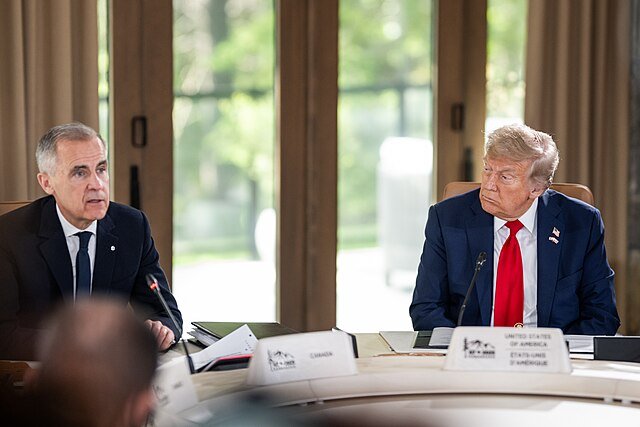
Prime Minister Carney spoke with President Lula on January 8 about the crisis unfolding in Venezuela. Both leaders reaffirmed their support for a “peaceful, negotiated, and Venezuelan-led transition process.”
Their joint message stressed that any solution must respect the democratic will of the Venezuelan people. They said all parties must abide by international law and national sovereignty.
The conversation followed a controversial U.S. military operation that removed Venezuela’s long-time leader, Nicolás Maduro, from power. In that raid, U.S. forces captured Maduro and transported him to New York on federal charges.
Carney’s Position Reflects Canada’s Broader Foreign Policy
Ottawa has long criticized Maduro’s government for human rights violations, corruption, and undermining democratic institutions. Carney reiterated this stance in a separate statement acknowledging the regime’s abuses.
Canada’s official position welcomes opportunities for peace and democratic transition. But Ottawa has consistently insisted that changes in Venezuela’s leadership and future be determined by Venezuelans themselves.
Carney’s government has applied sanctions against Maduro’s inner circle as part of its broader policy.
The prime minister framed these measures as support for freedom, democracy, and human rights.
Lula’s Emphasis on Sovereignty and Regional Stability
Brazilian President Lula also voiced firm support for Venezuelan sovereignty. In his account of the call, Lula condemned the use of force without explicit backing under the United Nations Charter.
He argued the future of Venezuela should be determined by its citizens without external interference. Lula suggested that any outside military action risked destabilizing the region further.
Lula’s comments imply a divergence from allies who may support more assertive intervention. He emphasized cooperation through diplomatic mechanisms and international frameworks.
The U.S. Military Operation That Sparked Reactions
The backdrop to this diplomatic outreach was the dramatic U.S. military raid in Caracas. Elite U.S. forces extracted Maduro and his wife from Venezuela, transporting them to the United States for prosecution.
This action drew sharp criticism from the United Nations Office of the High Commissioner for Human Rights, which said it could violate international law and undermine global security norms.
While Carney described Maduro’s removal as “welcome news” given past abuses, Ottawa stopped short of directly endorsing the U.S. intervention. Instead, Canada has opted to highlight legal and diplomatic pathways.
Brazil’s president, on the other hand, publicly condemned the U.S. action, calling it an unacceptable overreach. He reiterated that South America should remain a “zone of peace” free of outside military force.
Regional and International Implications of the Joint Statement
Carney and Lula’s coordinated stance signals an effort to counter unilateral approaches to Venezuela’s crisis. Their call for a Venezuelan-led process aligns with broader concerns about sovereignty and democratic legitimacy in the region.
This diplomatic positioning also occurs amid shifting global geopolitical dynamics. Latin American nations have increasingly emphasized non-interference and regional solutions to political disputes.
The joint statement may also influence other countries debating how to respond to the leadership vacuum in Venezuela and address humanitarian issues. Multilateral forums such as the UN and Organization of American States could play larger roles.
Canada’s engagement on Venezuela reflects Ottawa’s broader foreign policy priorities, such as upholding democratic norms and international law. Canadian values often shape diplomatic outreach and support for peaceful resolution of crises.
Many Venezuelans have sought refuge in Canada due to political instability and economic collapse in their home country. Carney’s emphasis on a Venezuelan-led transition aligns with calls from diaspora communities for democratic change.
Additionally, Canada’s position influences Ottawa’s relations with key partners like Brazil and other Western Hemisphere nations. Coordinated diplomacy can enhance cooperation on trade, security, and regional stability.
Canada’s approach also highlights the limits of military interventions in resolving political crises. By underscoring negotiation and legal frameworks, Ottawa reinforces a rules-based global order.
What Happens Next in the Venezuelan Crisis
The situation in Venezuela remains fluid, with competing claims to leadership following Maduro’s removal. Interim President Delcy Rodríguez has assumed authority under Venezuela’s constitution, while opposition figures assert democratic mandates.
International responses vary, with some nations backing Rodriguez and others endorsing the opposition. Canada and Brazil’s unified call for a negotiated process could influence how diplomatic negotiations unfold.
Observers say Venezuela’s future hinges on inclusive political dialogue and credible elections. External actors may support mediation efforts, humanitarian aid, and institution-building to create conditions for peaceful transition.