


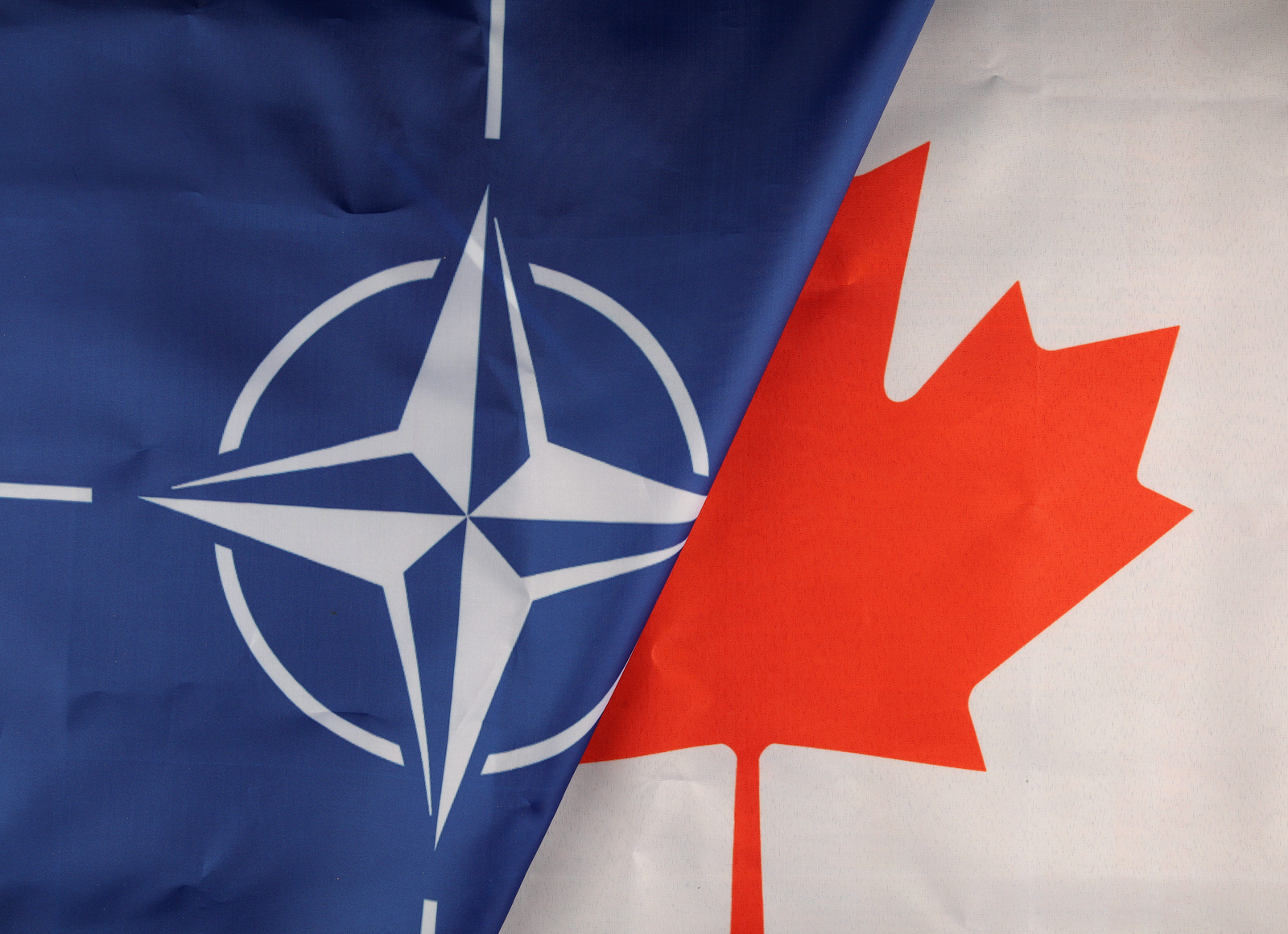
Canada’s government will step up its global engagement in early December, as Foreign Affairs Minister Anita Anand travels to Brussels to bolster ties with the European Union (EU) and then attends a key meeting of NATO foreign ministers.
What’s on the Agenda with the EU
On December 2, Minister Anand will meet high‑ranking EU officials to advance cooperation on shared priorities such as economic security, resilient supply chains, and sanctions coordination.
The discussions will build on commitments made earlier in 2025 under the renewed EU–Canada Strategic Partnership.
Canada and the EU plan to expand joint work in sectors like green transition, digital trade and defence industries. The 2025 Strategic Partnership affirmed by both sides lays a foundation for long‑term collaboration, especially given rising global instability and shifting geopolitical dynamics.
NATO Meeting: Security, Ukraine, Arctic Focus
On December 3, Anand will join NATO foreign ministers to address pressing global challenges. Key topics include Euro‑Atlantic security, Arctic sovereignty, and coordinated support for Ukraine amid ongoing Russian aggression.
Canada continues to contribute significantly to NATO. Among its roles are leading the alliance’s Multinational Brigade in Latvia, deploying naval assets to standing fleets, and supporting Ukraine via personnel and training.
Why Canada Is Doubling Down Now
Amid escalating global tensions and economic strain, Ottawa sees stronger alliances as vital. Deepening EU trade and defence links alongside NATO engagement offers Canada strategic flexibility and diversified partnerships beyond traditional bilateral ties.
Moreover, reinforcing supply‑chain resilience and aligning on sanctions enhances Canada’s global standing and economic security — priorities underscored by recent international upheaval.
Challenges and Watchpoints
Some critics warn that balancing ambitious defence goals with trade and climate commitments may prove difficult. Tensions over Arctic security, defence spending, and global commitments to climate goals could spark debates at home and abroad.
Still, supporters argue that diversified alliances and coordinated policy across trade, security and diplomacy give Canada a stronger voice on the global stage.