



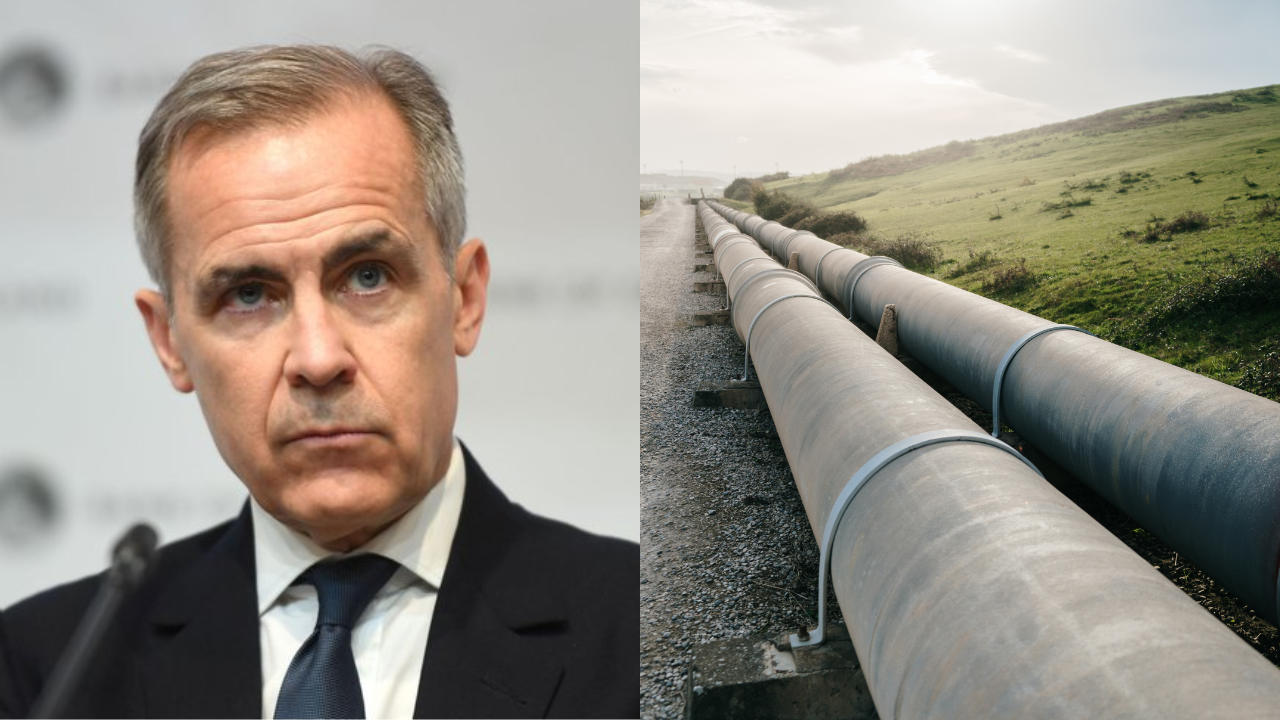
The Carney government announced it will vote against a motion from the Conservative Party to support new pipeline projects.
The government argued the motion would lock Canada into fossil-fuel dependence. They said such a course contradicts environmental goals and the nation’s climate targets.
Why the government opposed the motion
According to spokespeople, the motion lacked safeguards for emissions reductions and environmental protection. The government also argued it would undermine investment in clean energy.
Additionally, they said backing pipelines now could limit future flexibility. With climate policies tightening globally, the government prefers to support alternatives rather than commit to long-term fossil infrastructure.
Reactions from opposition and stakeholders
Unsurprisingly, Conservative lawmakers criticized the vote. They argued Canada needs pipelines to support jobs, energy security and economic growth. They claimed the government’s refusal sends a negative signal to investors.
On the other hand, environmental groups welcomed the decision. They praised the government’s stance as a sign of commitment to reducing greenhouse-gas emissions and advancing sustainable energy.
Some business groups expressed concern about potential economic consequences namely in regions dependent on fossil-fuel industries. They warned about job losses and regional economic decline.
What happens next — the road forward
With the motion defeated, the government must clarify its energy strategy. Observers expect new proposals to expand renewable energy investments. The government may focus on wind, solar, hydrogen, or clean-tech incentives.
Conservatives may push for new motions. They might attempt to add amendments to address environmental concerns while restoring pipeline support.
Meanwhile, provinces with strong fossil sectors could resist shift setting stage for inter-governmental debate and possible regional tensions.
The decision highlights a clear divide in Canada’s energy debate. By rejecting the Conservative motion, the Carney government signals a long-term shift toward cleaner energy sources.
However, the move also deepens tensions between climate goals and economic pressures, leaving the country with tough choices in the months ahead.