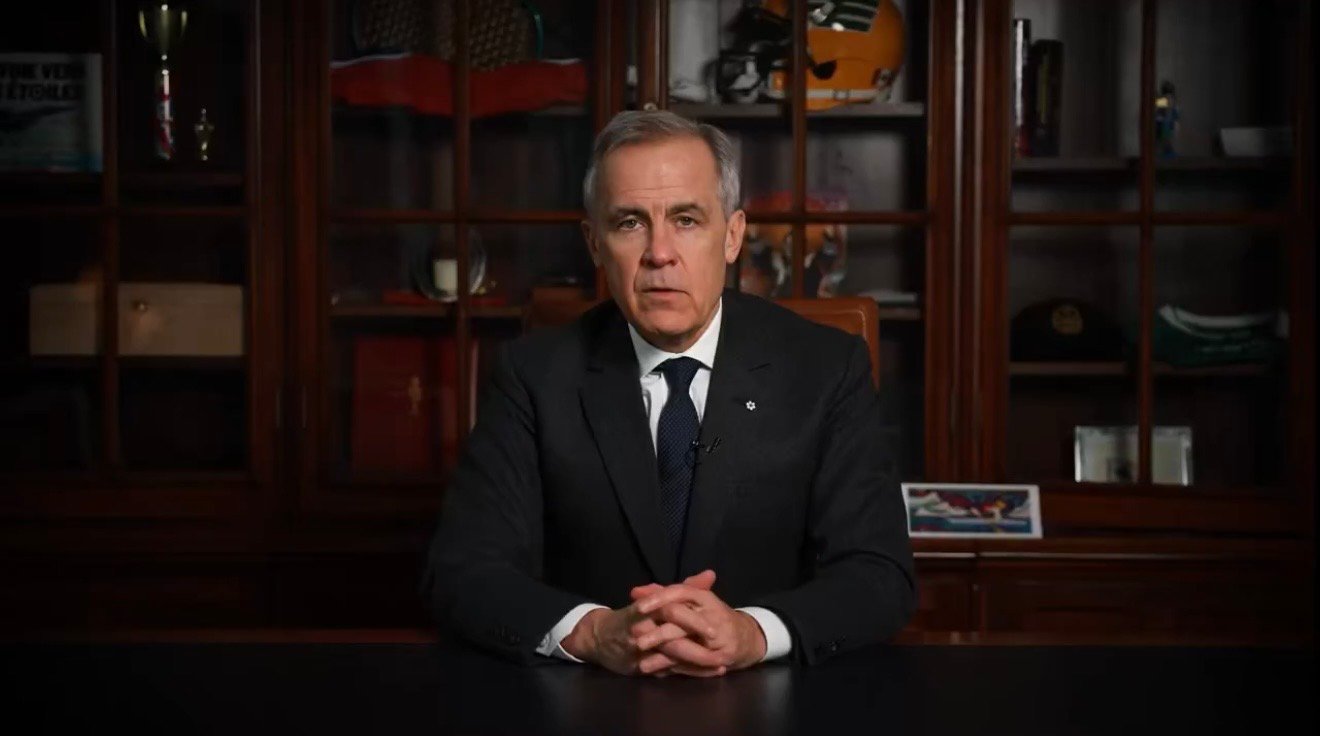



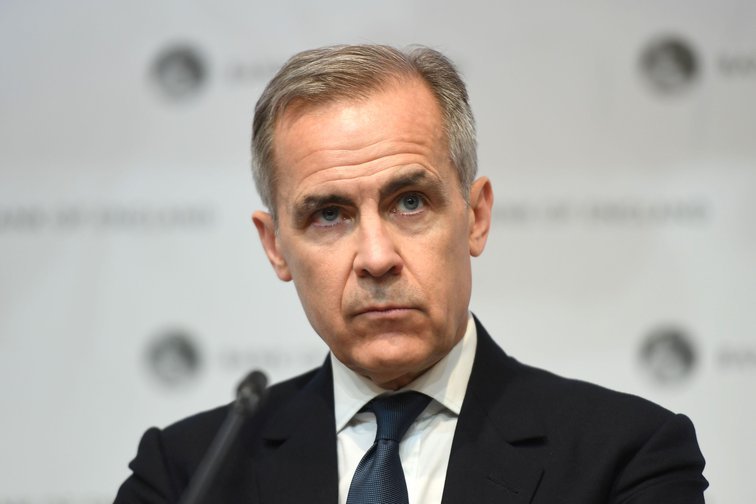
Prime Minister Mark Carney has launched a $56 billion Canadian dollar national development program to reshape Canada’s economy over the coming years.
Carney’s New Vision for Canada
Carney describes his initiative as “transformational.” His government will fast-track large-scale infrastructure under a new Major Projects Office (MPO). The plan includes clean energy, critical-mineral mines, and trade corridors.
What the First Projects Are
The first projects referred to the MPO include:
- LNG Canada Phase II expansion in British Columbia.
- A small modular reactor (nuclear) project in Ontario.
- A high-speed rail line between Toronto and Québec City.
Carney also flagged development in northern Canada, including trade corridors and mineral extraction projects.
Experts Raise a Red Flag
Civil engineering professor Shoshanna Saxe argues that Carney’s emphasis on resource development neglects critical public-service infrastructure. She says investing in water systems, public transit, housing, and bridges would serve Canadians more directly.
Critics also note major politically risky projects, like oil pipelines or a highway tunnel, are missing from his list.
Carney Defends the Strategy
For Carney, Canada must reduce its reliance on a single trading partner. He frames the plan as a way to build economic autonomy, resilience, and national security.
He also highlights Indigenous benefit: several projects are designed with Indigenous leadership and equity in mind.
Under his plan, Canada will also expand its clean energy grid and mineral capacity, positioning itself as a global leader in critical resources.
The Stakes for Canada
Carney’s program could reorient Canada’s economic future — but skepticism remains high. If he succeeds, the plan might deliver tens of thousands of jobs, set up major long-term infrastructure, and create lasting value for Indigenous communities.
On the other hand, if the plan remains too focused on resource extraction, critics warn it may fail to address more immediate and equitable public needs.
Experts say this could be a missed moment to redefine Canada’s national identity through publicly shared infrastructure, not just resource exploitation.