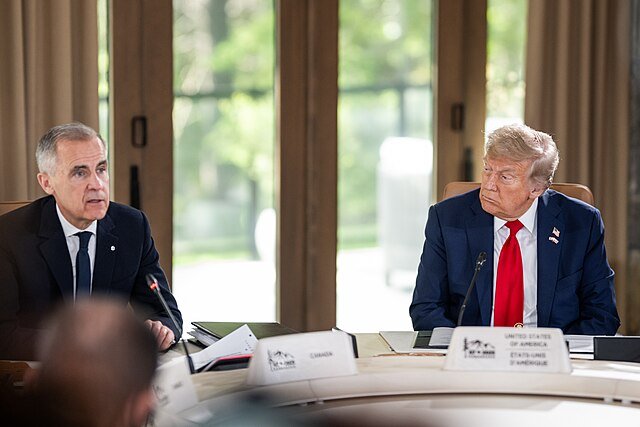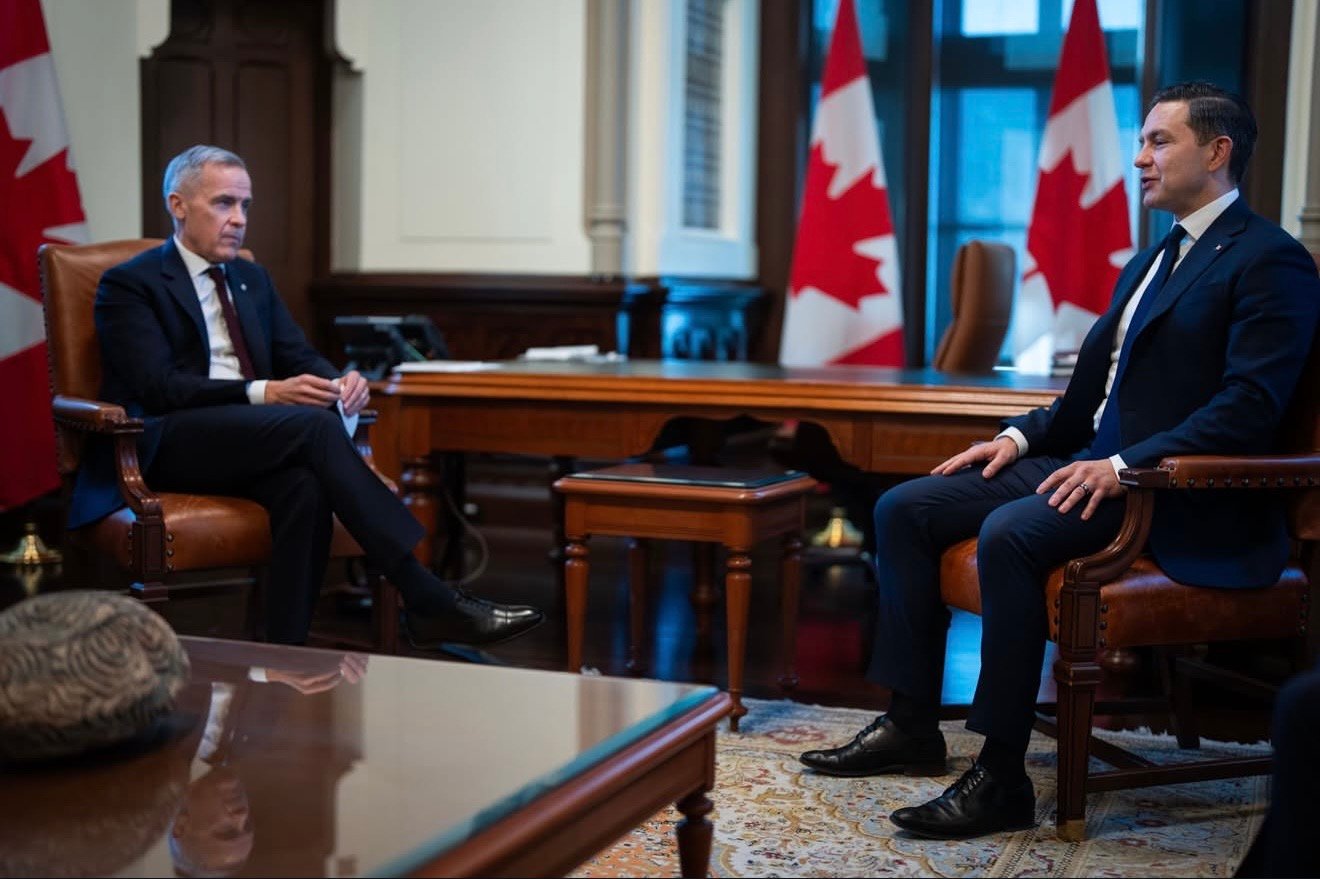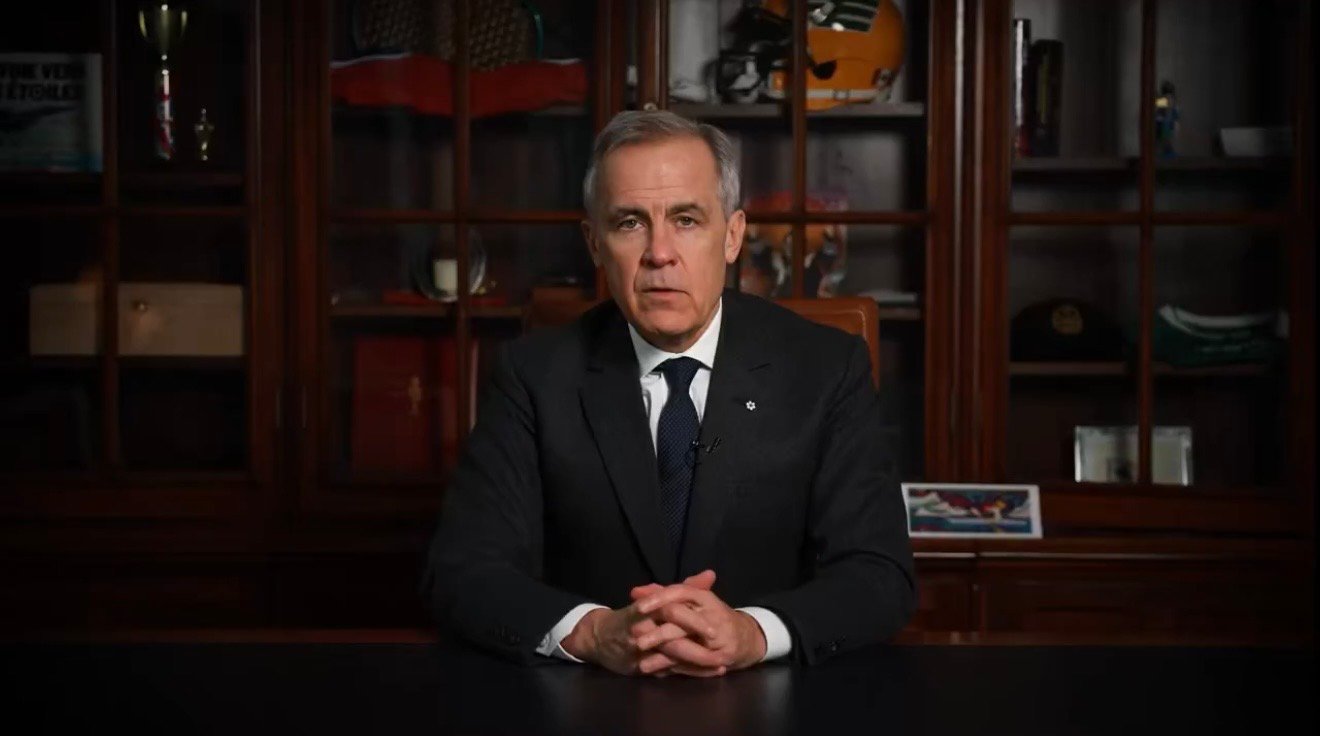



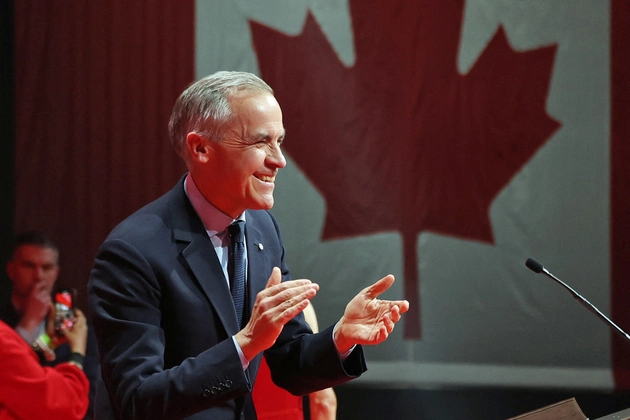
Prime Minister Mark Carney unveiled his first federal budget, signaling a significant change in Canada’s economic direction.
A Dual Strategy: Cuts and Investments
Carney and Finance Minister François‑Philippe Champagne described the budget as one of “austerity and investment at the same time.”
They aim to reduce unsustainable operational spending while ramping up capital projects.
The government plans to cut several thousand civil-service positions and redirect resources toward defence, trade diversification and transportation infrastructure.
These moves reflect Carney’s broader goal to reduce Canada’s dependence on the U.S. economy.
A Response to Economic Threats
Carney warned that rising U.S. protectionism and tariffs on Canadian exports posed serious risks. He stated that Canada’s close economic relationship with the U.S. had become a vulnerability.
The budget responds with plans to boost exports outside North America.
Shifting From Past Priorities
Observers note that this budget marks a clear break from the legacy of Justin Trudeau. Under Trudeau, spending rose substantially; Carney now emphasises efficiency, national strength and pragmatic governance.
Key policy cuts include review or cancellation of preferred-consumer carbon tax increases and scaling back of some green regulation — signalling the government prioritises growth and stability.
Political Risks and Pressure
As the Liberals govern in a minority, the budget must pass a confidence vote. Failure could trigger a new election. Opposition parties have already voiced sharp criticism.
Some economists caution that aggressive cuts alongside large infrastructure commitments may leave Canada exposed if growth stalls. The operating deficit for 2025-26 is projected between CAD 70-100 billion — one of the largest in recent memory.
What It Means for Canadians
For taxpayers, the budget signals stricter oversight and slower growth in government services. At the same time, it promises job creation in infrastructure, defence and non-U.S. export sectors.
For workers, public-service reductions may mean job uncertainty. For exporters and industry, the pivot away from U.S. dependence could open new markets and opportunities.
Canada is re-defining its role in the global economy. The budget outlines a future where the country stands on its own feet rather than relying primarily on a single partner.
Carney’s leadership style already emphasizes discipline and realism: “We won’t waste time. We won’t play games,” he said. The budget is his first major test.