
Federal Union Demands Clarity on Canada’s Return‑to‑Office Rules
The union refers to media reports suggesting the government might require federal employees to work in‑office five days per week by 2027.



The union refers to media reports suggesting the government might require federal employees to work in‑office five days per week by 2027.

Canada welcomed a new federal cabinet at a swearing‑in ceremony at Rideau Hall. The move follows the resignation of former Culture and Identity Minister Steven Guilbeault.
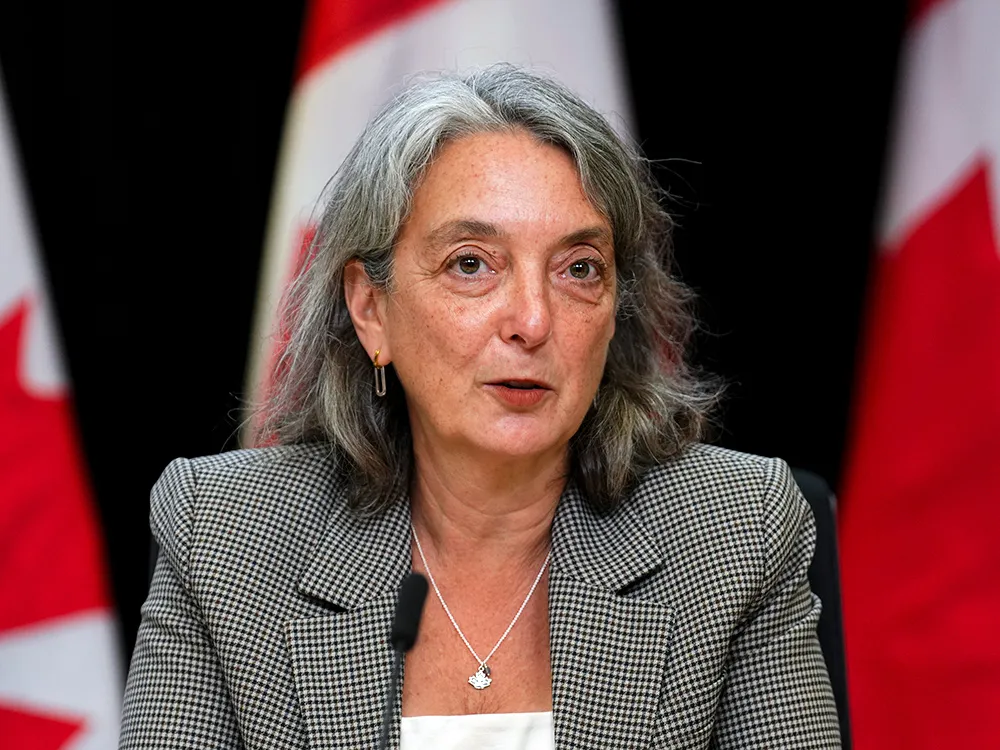
The session aims to examine her department’s climate‑policy track record and upcoming environmental commitments.
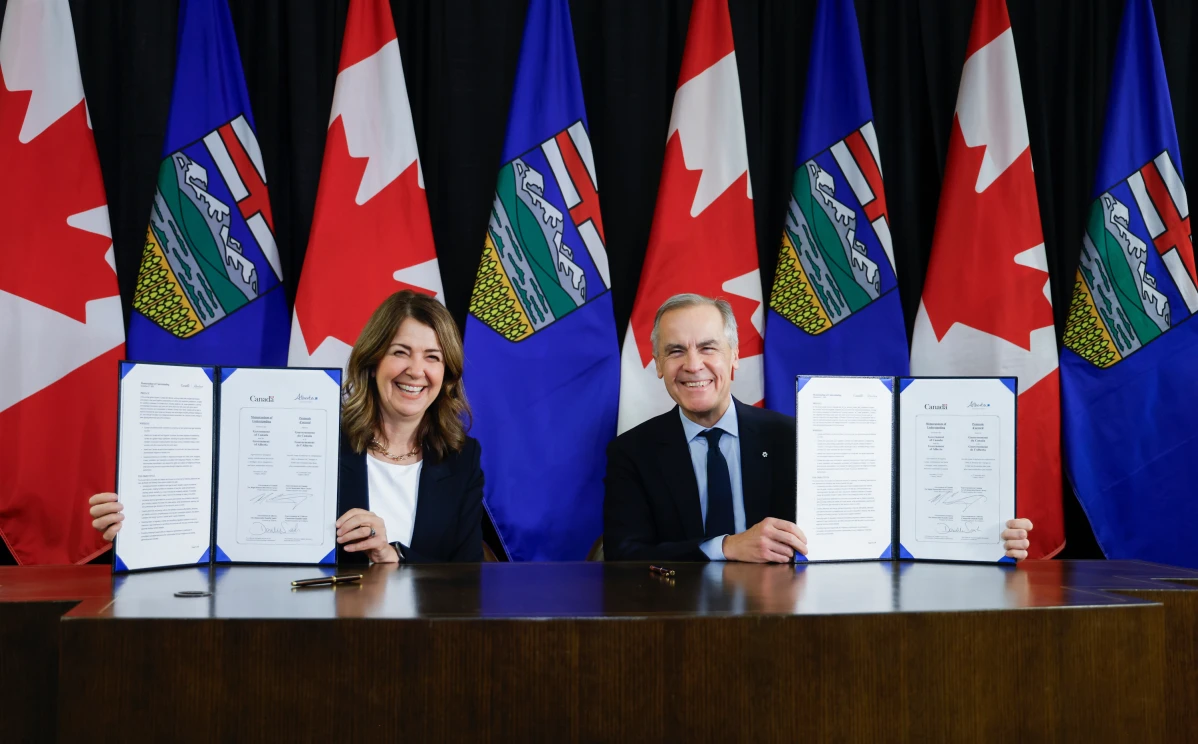
The deal relaxes several climate rules in return for tougher industrial carbon pricing, a massive carbon-capture project, and a plan for a new oil pipeline to the Pacific coast.
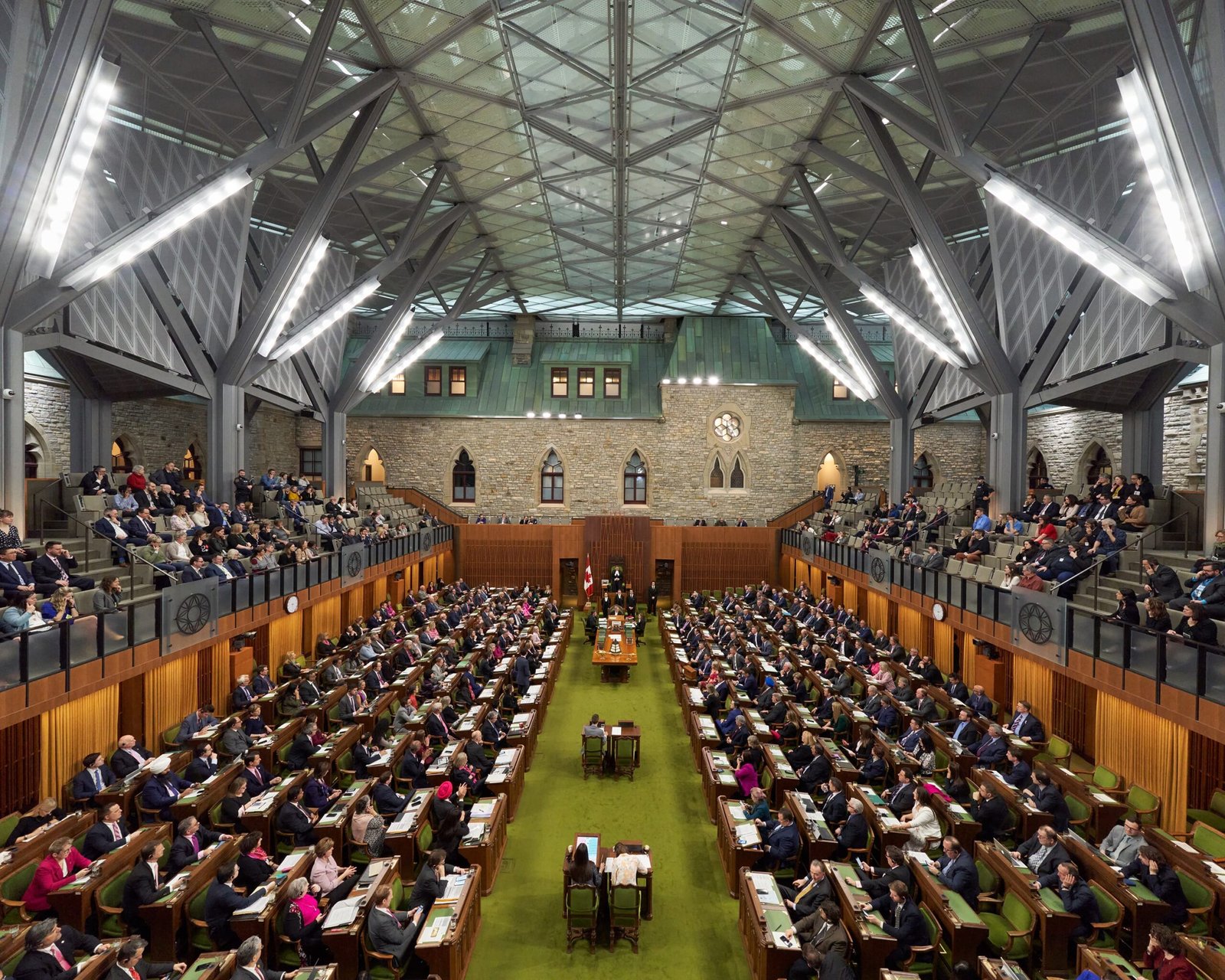
The close vote, considered one of confidence, underscored political fragility: a defeat would likely have triggered a quick return to the polls. Observers say Carney’s future now depends on delicate negotiations with opposition parties, as his agenda remains vulnerable.
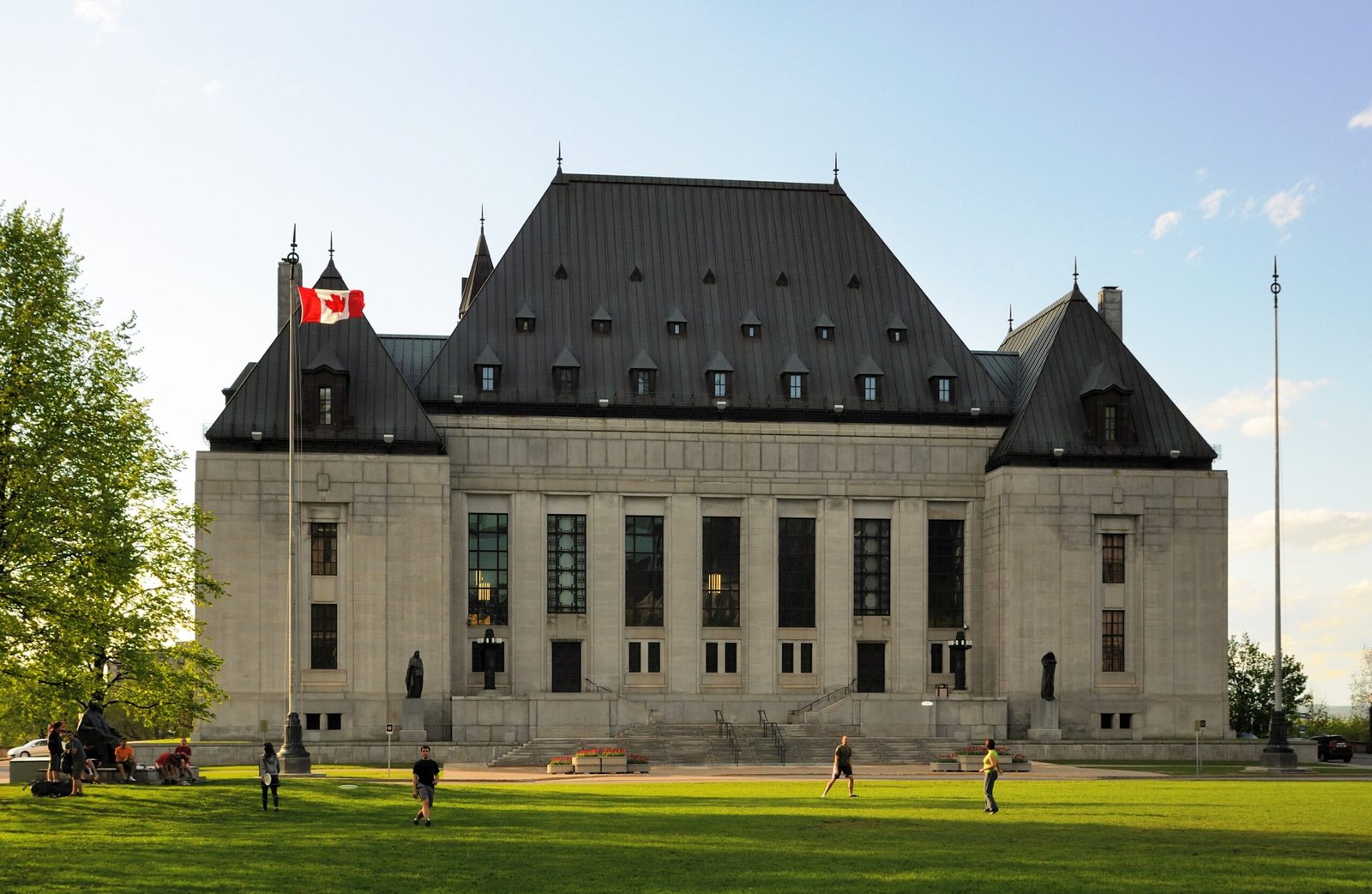
The 5‑2 decision concluded that the IAA allowed the federal government to control projects beyond areas under its constitutional authority.
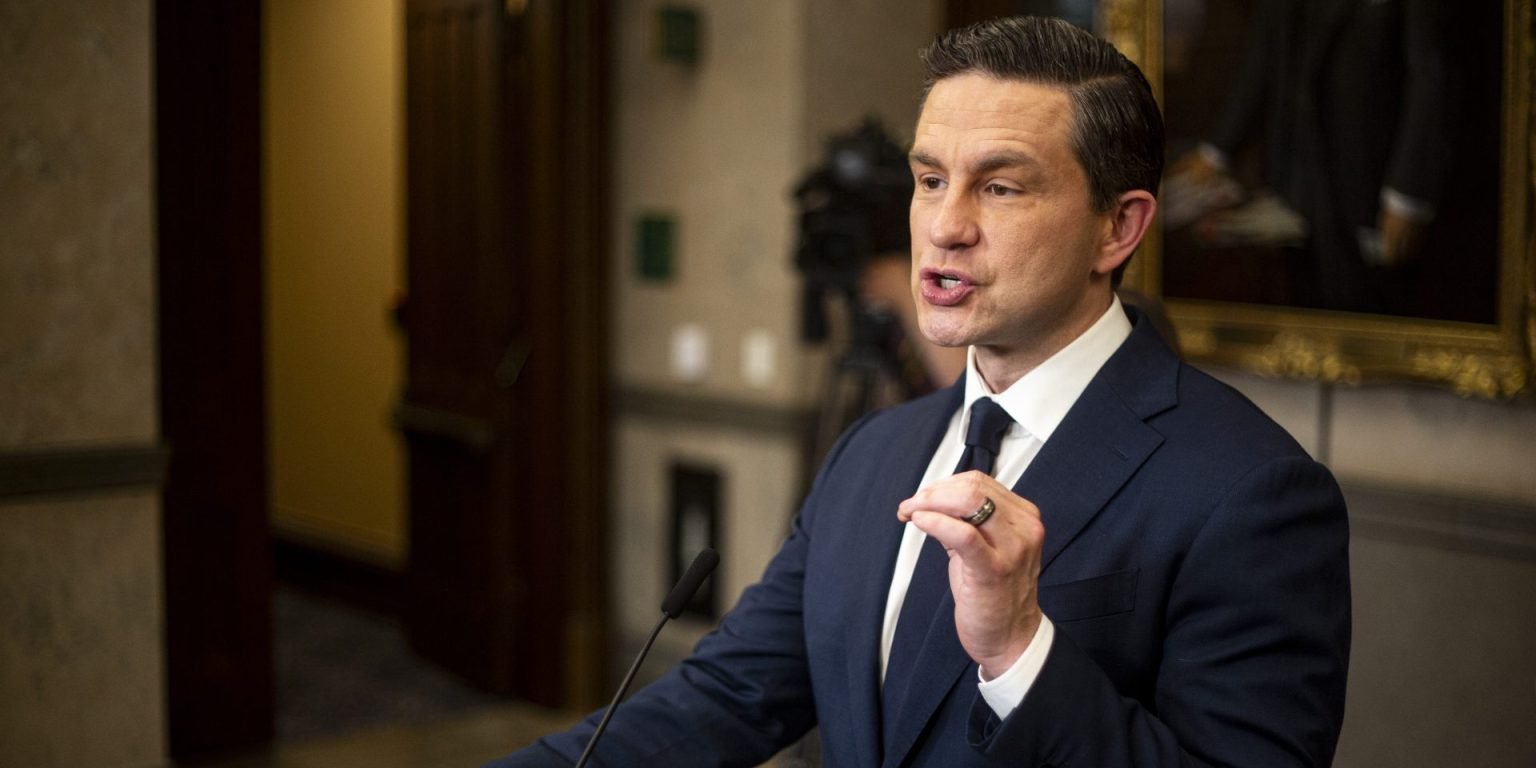
Pierre Poilievre, leader of the Conservative Party of Canada, has declared that all his MPs oppose Mark Carney’s budget, yet he remains vague on whether they will be forced to vote against it in the House of Commons on November 17.
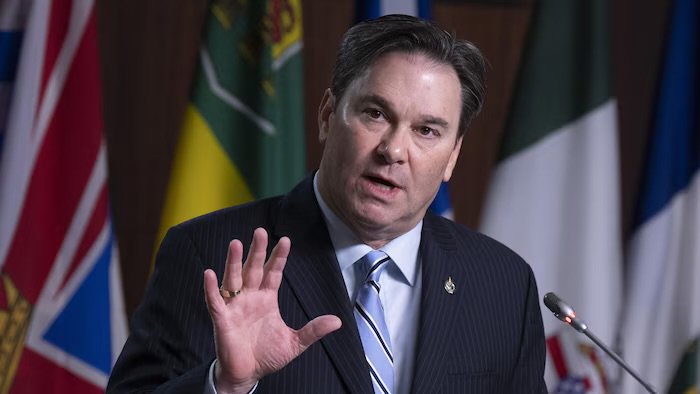
With its MPs debating whether to oppose the Mark Carney-led government’s fiscal plan, the party is also quietly gearing up for a possible election.

The move highlights a shift in priorities, balancing cost control with ongoing social and research commitments.
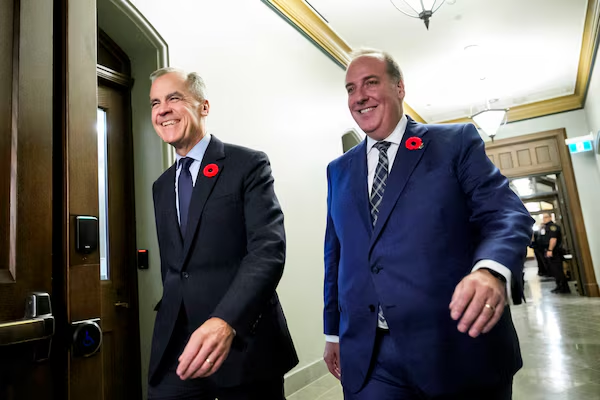
On November 5, 2025, Prime Minister Mark Carney welcomed him in a press conference.
The union refers to media reports suggesting the government might require federal employees to work in‑office five days per week by 2027.
Canada welcomed a new federal cabinet at a swearing‑in ceremony at Rideau Hall. The move follows the resignation of former Culture and Identity Minister Steven Guilbeault.
The session aims to examine her department’s climate‑policy track record and upcoming environmental commitments.
The deal relaxes several climate rules in return for tougher industrial carbon pricing, a massive carbon-capture project, and a plan for a new oil pipeline to the Pacific coast.
The close vote, considered one of confidence, underscored political fragility: a defeat would likely have triggered a quick return to the polls. Observers say Carney’s future now depends on delicate negotiations with opposition parties, as his agenda remains vulnerable.
The 5‑2 decision concluded that the IAA allowed the federal government to control projects beyond areas under its constitutional authority.
Pierre Poilievre, leader of the Conservative Party of Canada, has declared that all his MPs oppose Mark Carney’s budget, yet he remains vague on whether they will be forced to vote against it in the House of Commons on November 17.
With its MPs debating whether to oppose the Mark Carney-led government’s fiscal plan, the party is also quietly gearing up for a possible election.
The move highlights a shift in priorities, balancing cost control with ongoing social and research commitments.
On November 5, 2025, Prime Minister Mark Carney welcomed him in a press conference.