



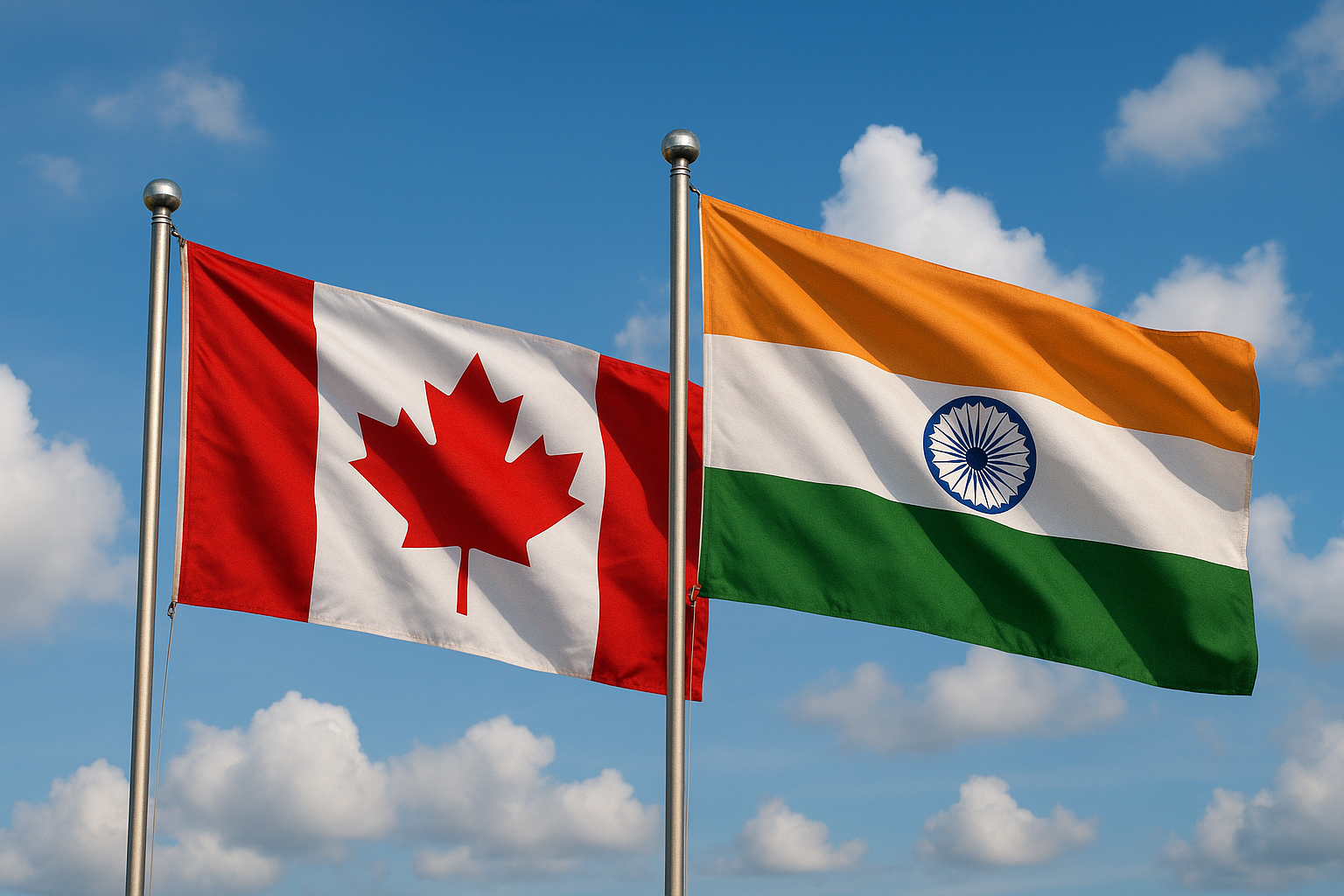
The change has hit Indian students harder than any other group.
According to data from Immigration, Refugees and Citizenship Canada (IRCC), nearly 8 in 10 study permit applications from India were refused in 2025.
The refusal rate jumped from 32% in 2023 to 74% in August 2025.
India has long been Canada’s largest source of international students. Now, it is also the country facing the highest refusal rate.
Why refusals increased
Several factors explain the shift.
1. Stricter screening and fraud investigations
IRCC detected more than 14,000 suspicious acceptance letters in 2024, including forged documents submitted by fraudulent education consultants.
As a result, Canada intensified background checks and increased financial proof requirements.
Many legitimate students also faced delays or refusals, despite providing full documentation.
2. Housing crisis and internal pressure
Canada faces a historic housing shortage. Because of that, Ottawa introduced a national cap on new study permits in 2024 and asked provinces to issue “attestation letters” before students could apply for visas.
The goal was to better manage population growth in major cities such as Toronto and Vancouver.
3. Diplomatic tension with India
Relations deteriorated after Canada accused the Indian government of involvement in the killing of Sikh activist Hardeep Singh Nijjar in British Columbia in June 2023.
In the months that followed, visa processing slowed, and security checks became more intense.
Several government sources admitted that the diplomatic climate influenced the processing environment.
A global shift in student choices
The consequences were immediate.
- New visa applications from Indian students fell from 20,000 in 2023 to just over 4,000 in 2025.
- Canada lost competitiveness. In 2022, 18% of Indian students chose Canada.
By 2024, that number dropped to 9%. - Germany emerged as a new favourite, capturing 31% of Indian student interest, helped by lower tuition and easier post-study work pathways.
Meanwhile, countries like Australia and Ireland are actively recruiting students who feel discouraged by Canada’s unpredictability.
A more selective — and less predictable — process
Canada insists that it remains open to international talent.
However, experts warn that the new policy framework is now harder to navigate.
- Higher financial proof
- Extra provincial documentation
- Longer screening checks
- More refusals even with complete applications
The study permit process once seen as “straightforward” now demands more planning, more documents, and more patience.
What this means for future students
Each immigration shift changes not only policy — but also the strategy of students who plan to study or immigrate through education.
Those considering Canada should:
- Prepare stronger financial documentation
- Research designated institutions cautiously
- Avoid unlicensed immigration consultants
- Apply earlier than usual due to delays
For many, the dream remains alive. The path, however, has become more selective.