



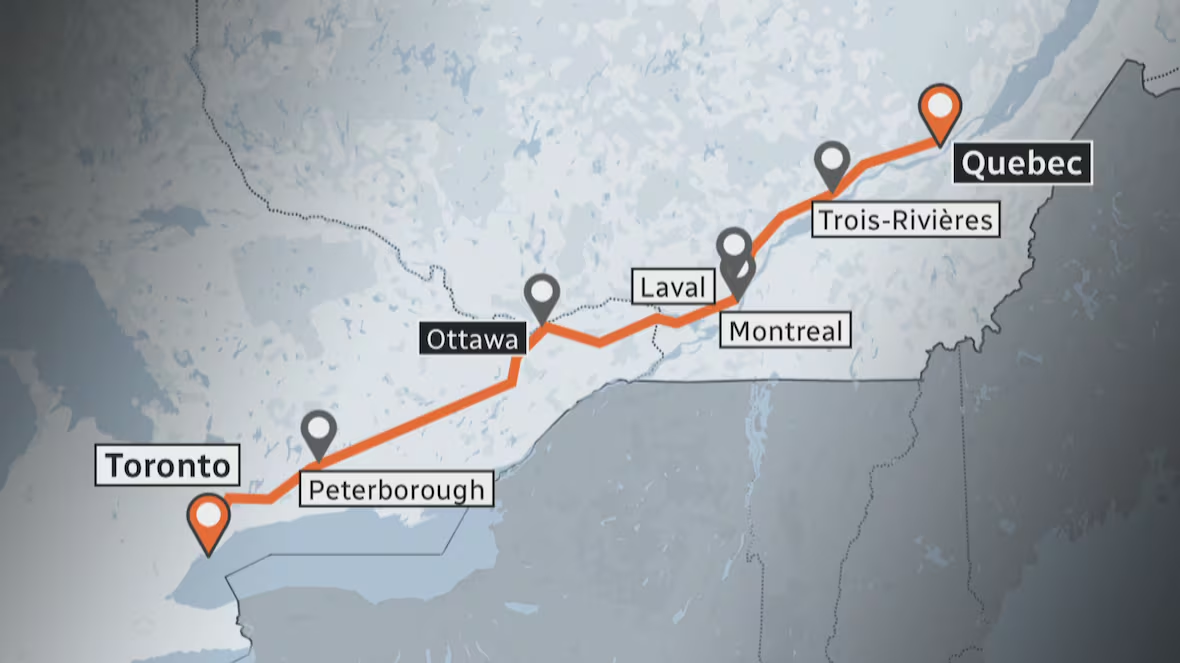
The Liberal government tabled a bill to streamline approvals for a high-speed rail line between Toronto and Quebec City.
What the New Bill Would Do
The proposed High‑Speed Rail Network Act, tucked into the 2025 budget implementation bill, gives Alto broad authority to expropriate land for construction.
It also removes the Canadian Transportation Agency’s power to reverse a prior approval, rendering the project “de facto approved.”
Regulatory and Environmental Changes
Under the bill, only the Impact Assessment Agency (IAA) would review parts of the rail project — the CTA would no longer re‑assess it. The legislation proposes a segmented environmental review and faster timelines for project phases.
Why Ottawa Is Pushing This
The government argues the legislation will cut red tape, reduce delays and encourage investment in the ALTO high-speed rail corridor. Supporters claim this move will help begin construction within four years.
Cost and Economic Impact
The 1,000-km fully electric rail line will reach speeds up to 300 km/h, dramatically cutting travel times between major cities. A report from the C.D. Howe Institute estimates it could generate $15 to $27 billion in value for Canadians.
Reactions and Risks
Critics warn that the expropriation powers in the bill may undermine property rights and limit public consultation.
Analysts also say the government faces significant regulatory and Indigenous consultation challenges over the 1,000-km corridor.
Next Steps
If the bill passes, the Alto Crown corporation would rapidly acquire land and move forward with preliminary construction.
Transport Minister Anita Anand and other officials must still finalize route design, station placement, and community engagement.