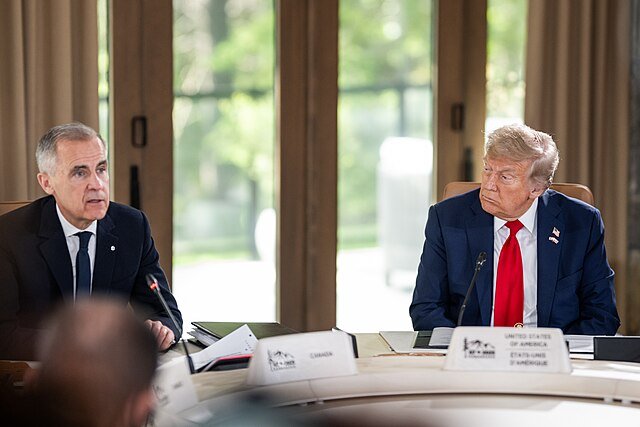



The coming election will shape the country’s political direction during a period of minority government. Voters and parties are already positioning for what may be one of the most consequential federal ballots in recent memory.
When the 46th Canadian Federal Election Could Be Held
The 46th Canadian federal election is not yet scheduled. By law, federal elections occur on the third Monday of October every four years. Since the last election took place in April 2025, Canada must hold the next general election on or before October 15, 2029.
However, because the current government is a minority, early elections are possible. Minority governments often face confidence votes that could trigger an earlier campaign, as happened historically.
In a minority Parliament, a defeated budget or confidence motion can dissolve the House. If that occurs, a new election could be called well before 2029.
How the Last Election Sets the Stage for the Next
The 45th Canadian federal election was held on April 28, 2025. Liberal Leader Mark Carney secured a minority government with 169 of 343 seats.
The Conservatives, led by Pierre Poilievre, won 144 seats. Smaller parties, including the Bloc Québécois and NDP, held the balance of power.
That balance matters because minority governments must negotiate support from other parties to pass key legislation. This dynamic increases the chance of an election before the fixed date. For example, if the government loses a confidence vote, the House may dissolve.
Political Landscape in Canada: Parties and Leadership Heading Into the 46th Election
Liberals:
The Liberal Party, led by Mark Carney, currently governs with a minority mandate. They hold slightly fewer than the 172 seats needed for a majority.
Carney’s leadership reflects a shift after Justin Trudeau’s resignation in 2025 and a subsequent leadership contest. This transition reshaped the party’s identity and strategic direction.
Conservatives:
The Conservative Party, under Pierre Poilievre, remains the principal opposition. They secured a significant seat count in 2025 and continue to represent a strong challenge.
Conservatives may seek to capitalize on discontent with minority governance and budget controversies.
A strong opposition campaign could narrow margins or flip seats.
Other parties:
The Bloc Québécois and NDP are important in regions where they can influence confidence votes. The Green Party and smaller factions also contribute to shifting dynamics, though with limited seat counts.
How Opinion Polls and Voting Trends May Influence the Next Election
Polls during the 2025 campaign showed significant volatility. Early forecasts once predicted a Conservative lead, only for Liberals to rebound late in the campaign.
Models suggested the Liberals were likely to capture a modest majority ahead of the 2025 contest. Ultimately, they fell short of a majority but maintained plurality support.
Polls also highlighted demographic divides in party strength, such as a gender gap in party support.
Public opinion remains a major factor shaping election timing and strategy. Shifts in national concerns — like the economy, cost of living, and healthcare — tend to influence voter sentiment.
Institutional Rules and Election Mechanics in Canada
Canada’s Canada Elections Act sets clear guidelines for federal elections, including timing and campaign length. The campaign period must last between 37 and 51 days.
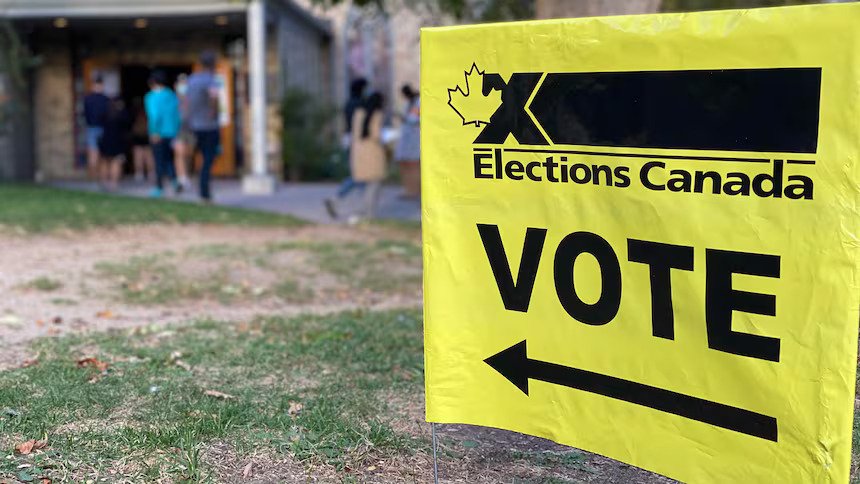
Elections Canada oversees the electoral process, including voter registration and polling logistics. The agency has noted trends like record advanced voting that may shape future election planning.
Administrative reforms and experience with deepfakes and election integrity efforts also influence how elections are conducted. Security and democratic safeguards are increasingly emphasized ahead of major votes.
Why the 46th Election Will Matter to Canadians
The outcome of the 46th federal election will determine Canada’s policy direction for years. A majority government could enable decisive action on key national priorities.
In contrast, another minority could prolong negotiation and compromise in Parliament. That would influence everything from economic strategy to climate policy.
For ordinary Canadians, federal elections affect tax policy, healthcare funding, and social programs. They also shape Canada’s role on the global stage, including trade and security partnerships.
Voter turnout levels — already high in recent years — signal strong civic engagement. That trend may continue as issues like inflation, housing, and public services remain top concerns.
How parties respond to these priorities will likely shape public opinion and election results. In a closely contested political environment, even small shifts in support can have large consequences.
Potential Scenarios and What Comes Next
A scheduled election late in the cycle If the minority government endures, the 46th election could happen near the legal deadline in October 2029.
An early election Political pressures, especially around confidence votes, could shorten the cycle.
Budget battles and strategic calculations may prompt a snap election.
Both scenarios carry different implications for parties and voters alike. How leaders manage internal and public pressures will influence campaign dynamics.