


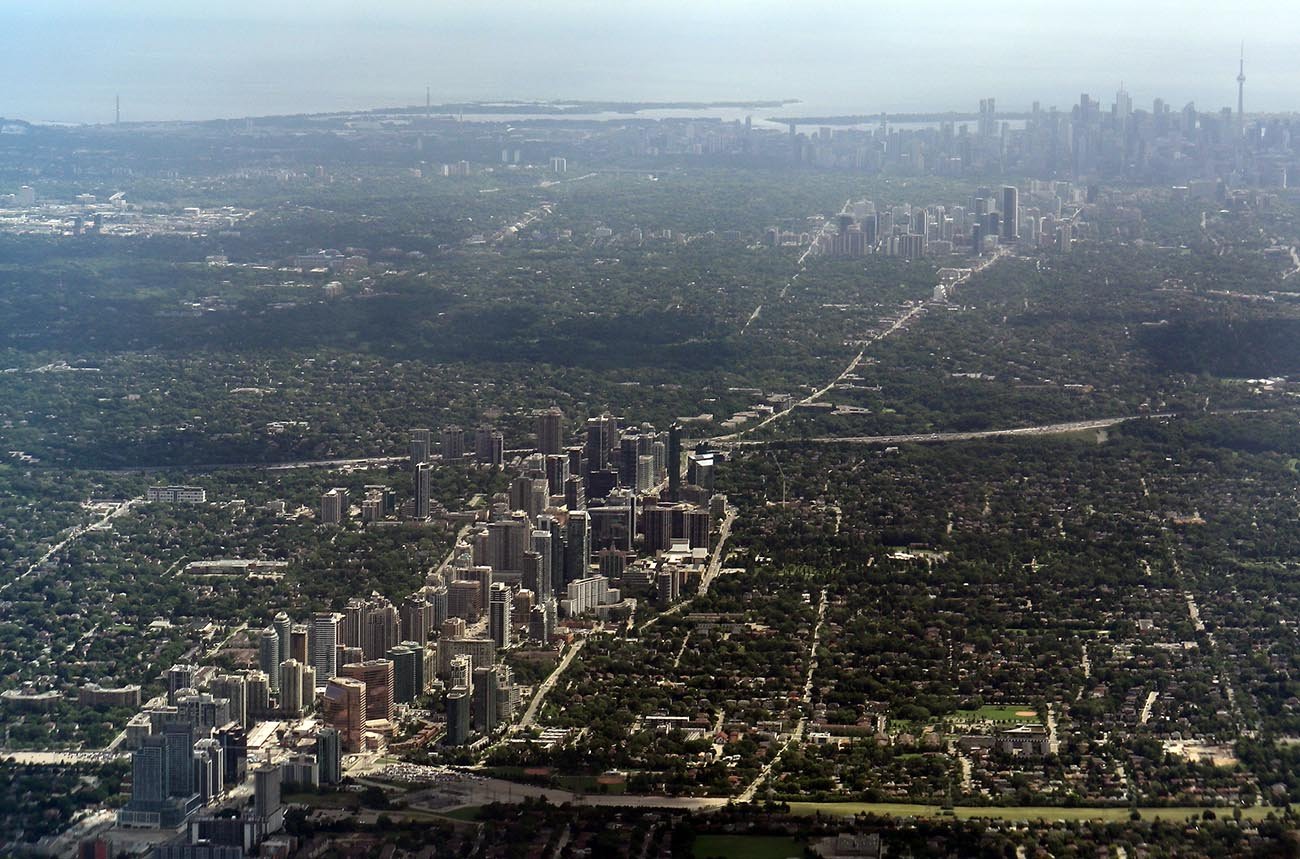
Yonge Street is often described as the world’s longest street, a claim rooted in history and geography. While modern measurements spark debate, its legacy continues to fascinate residents, planners, and visitors.
How Yonge Street Earned Its Global Reputation
Yonge Street originally served as a military supply route in the late 18th century. British colonial authorities planned it to connect Lake Ontario with inland settlements.
The road gradually expanded northward as communities formed along its path. Over time, it became a central artery for trade, migration, and urban growth.
For decades, Guinness World Records listed Yonge Street as the world’s longest street. That recognition cemented its reputation in popular culture and tourism narratives.
Although the official designation later changed, the historical perception remains powerful. Many Ontarians still proudly reference Yonge Street’s legendary status.
The True Length and the Modern Debate
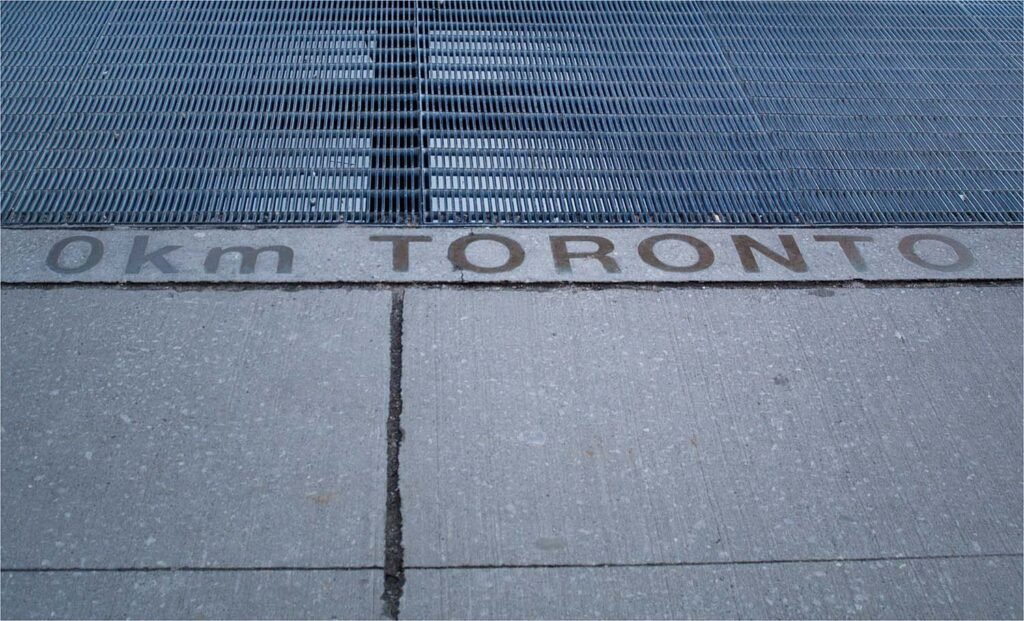
Yonge Street traditionally runs from Toronto’s waterfront to Holland Landing. However, its identity expanded through Highway 11, which extended deep into northern Ontario.
When combined with Highway 11, the route stretches nearly 1,900 kilometres. That distance once supported claims of global supremacy.
Later reviews separated Yonge Street from Highway 11 administratively. As a result, Guinness removed the official record listing.
Despite that change, the cultural idea persists strongly. For many, the debate highlights how infrastructure evolves over time.
Yonge Street’s Role in Shaping Toronto
Yonge Street divides Toronto into east and west sections. As a result, it functions as a geographic and symbolic spine. Neighbourhoods along Yonge Street reflect Toronto’s diversity. Chinatown, Midtown, and North York each showcase distinct identities.
Retail corridors along the street fueled Toronto’s commercial growth. Department stores, theatres, and restaurants thrived along its length. Moreover, the Yonge subway line reinforced its importance. Transit development ensured constant movement and accessibility.
A Street That Mirrors Canadian Urban Growth
Yonge Street reflects broader patterns in Canadian city building. It illustrates how transportation drives settlement and economic opportunity.
As towns grew northward, Yonge Street linked rural and urban economies. Farm goods, labour, and ideas flowed along the corridor.
Later, suburban expansion followed the same route. Housing developments clustered near transit stations and arterial roads. Therefore, Yonge Street serves as a living record of planning priorities. Each segment tells a different chapter of Ontario’s development.
Cultural Moments and Everyday Life on Yonge Street
Yonge Street has hosted protests, celebrations, and historic gatherings. Victory parades and sports championships filled its sidewalks with crowds.
Music venues along Yonge Street shaped Canada’s entertainment scene. Several iconic performers began careers near its downtown blocks.
At the same time, daily routines define the street’s rhythm. Commuters, shoppers, and tourists continuously animate its spaces. This blend of ordinary life and historic moments adds to its appeal. The street feels both monumental and familiar.
How Yonge Street Continues to Shape Daily Life in Ontario
Yonge Street remains economically significant for Ontario. It supports retail jobs, tourism revenue, and transit infrastructure.
Urban planners still view it as a key development corridor. Density projects and mixed-use buildings continue to reshape its skyline.
For residents, Yonge Street anchors community identity. Many people associate milestones with places along the route.
Furthermore, the street symbolizes Ontario’s connection between past and present. It reminds citizens how infrastructure choices influence daily life.
Tourism, Curiosity, and Global Recognition
Visitors often seek Yonge Street because of its global reputation. Even disputed records attract curiosity and conversation. Walking parts of the street offers insight into Ontario’s scale. Few places reveal such dramatic urban-to-rural transitions.
Tourism organizations still reference its legendary length. The story remains compelling, regardless of official rankings.
As a result, Yonge Street continues to stand out internationally. Its narrative blends fact, myth, and civic pride.
The Future of an Iconic Ontario Street
Yonge Street faces modern challenges, including congestion and affordability pressures. City officials balance preservation with redevelopment goals. Transit expansion aims to reduce strain on surface traffic. Meanwhile, zoning reforms encourage housing near major corridors.
Climate considerations also influence future planning decisions. Sustainable transport now shapes long-term infrastructure strategies. Despite changes, Yonge Street’s core identity endures. It remains a defining feature of Ontario’s landscape.
A Street Bigger Than Its Measurements
Ultimately, Yonge Street’s importance extends beyond kilometres. Its value lies in history, influence, and collective memory. The debate over records highlights evolving definitions of place. However, significance often transcends technical classifications.
For Ontarians, Yonge Street represents continuity and change. It stands as a reminder of how one road can shape a province.